Hike #4 Sand Gap Trail

11 Mar

When I hike alone, the process is usually about discovery, solace and hope. I approach the woods in stealth mode, hoping to spy some member of the animal kingdom, paying attention to types of trees and what bird calls I recognize, and relishing the quiet time alone.

Yesterday’s hike with two of my best friends was more about relief, celebration and delight. It was a social time of catching our breath, reflecting on the huge changes going on in our lives, and preparing ourselves for the unknowns that lie ahead.

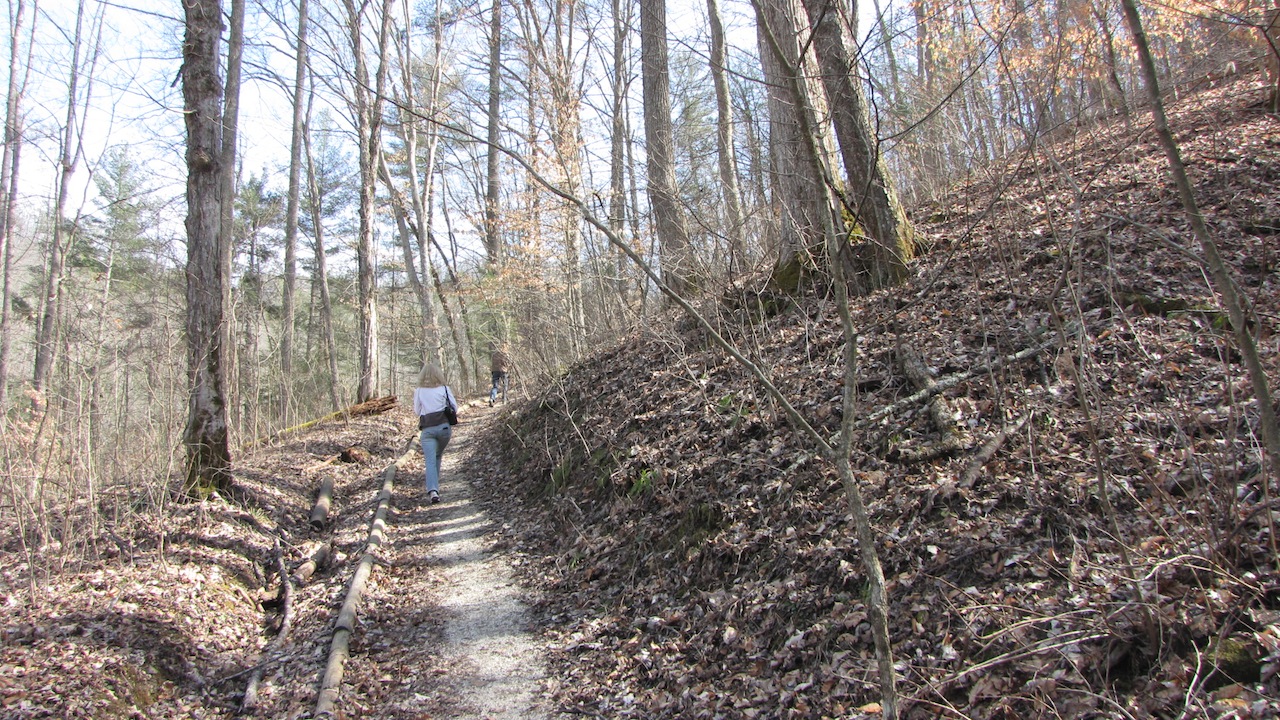
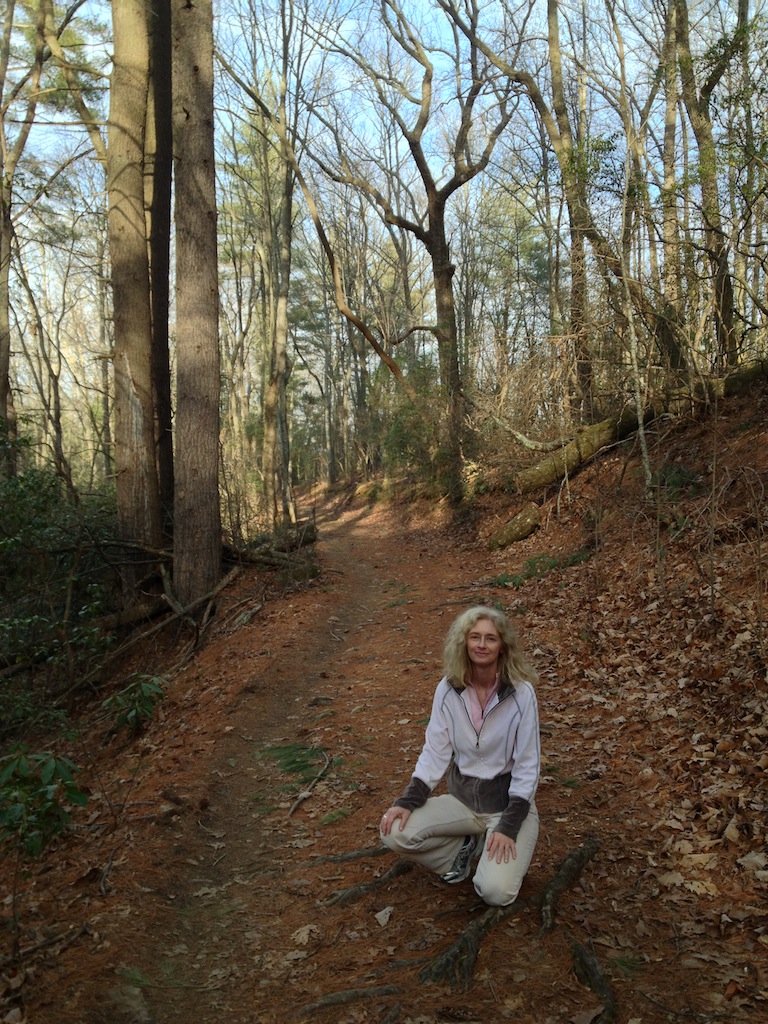
IMG_9091We went to the Red River Gorge in Eastern Kentucky after a weekend of physical work centered around the fact that I recently got a contract on my house in Kentucky, and so Mary and I are preparing to move on to different living situations in the next month and a half. I chose the trail in Natural Bridge State Park that was the first one I went to for refuge last summer not long after my mom’s funeral.

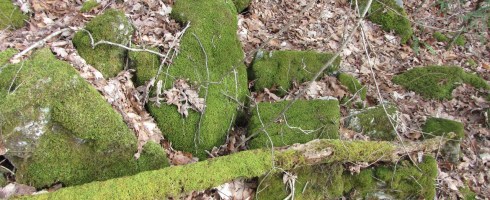
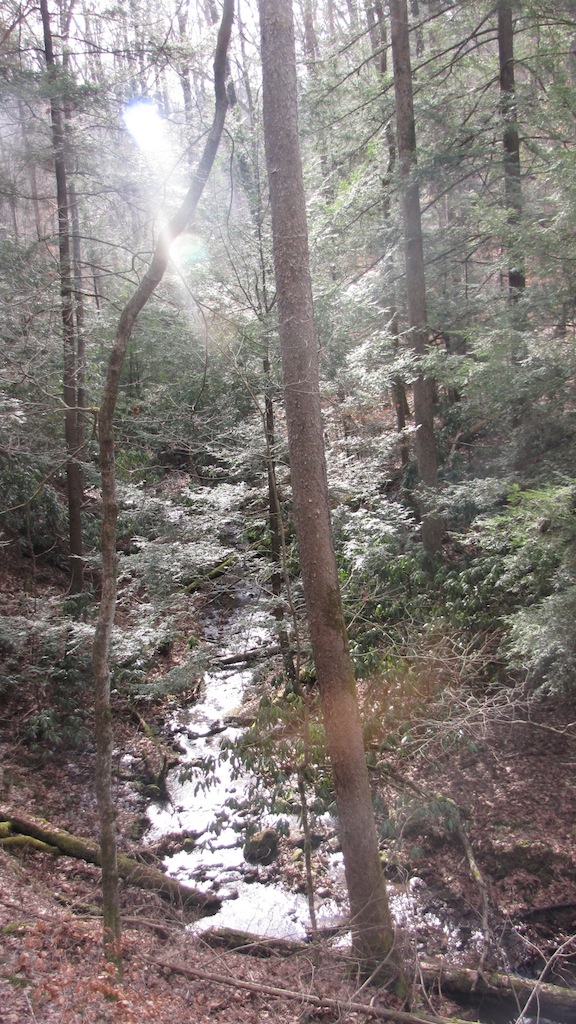
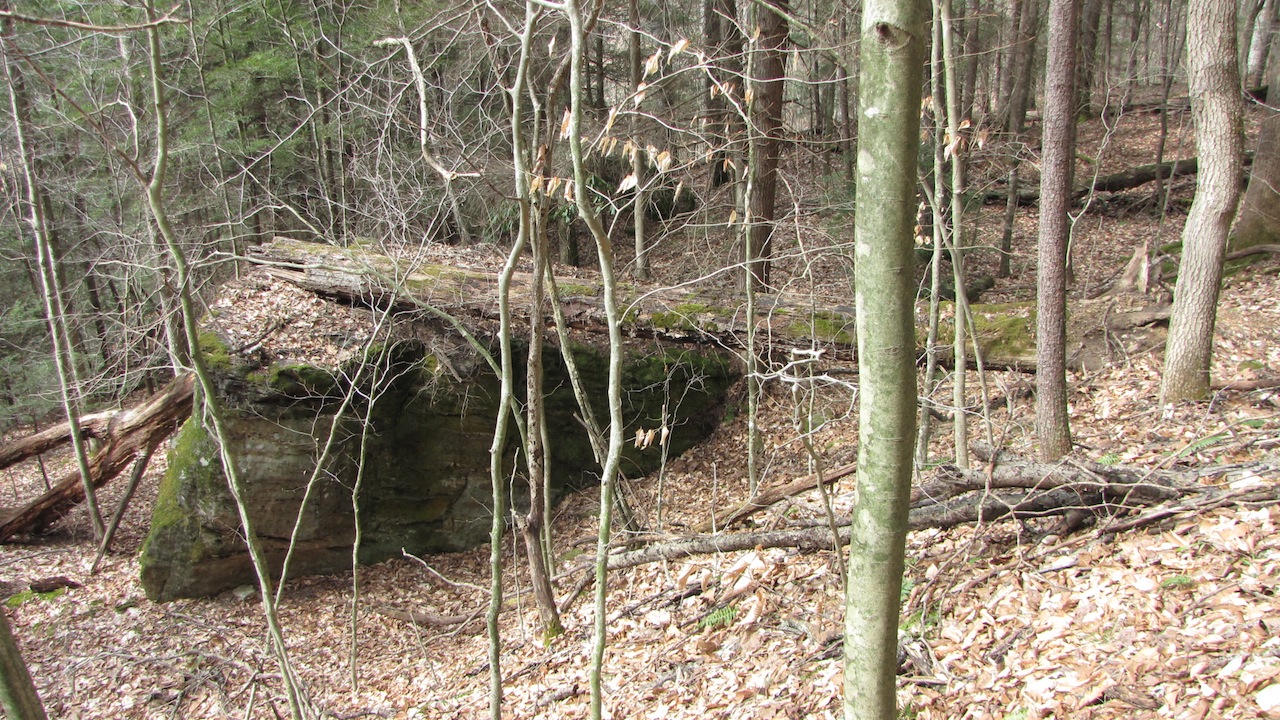
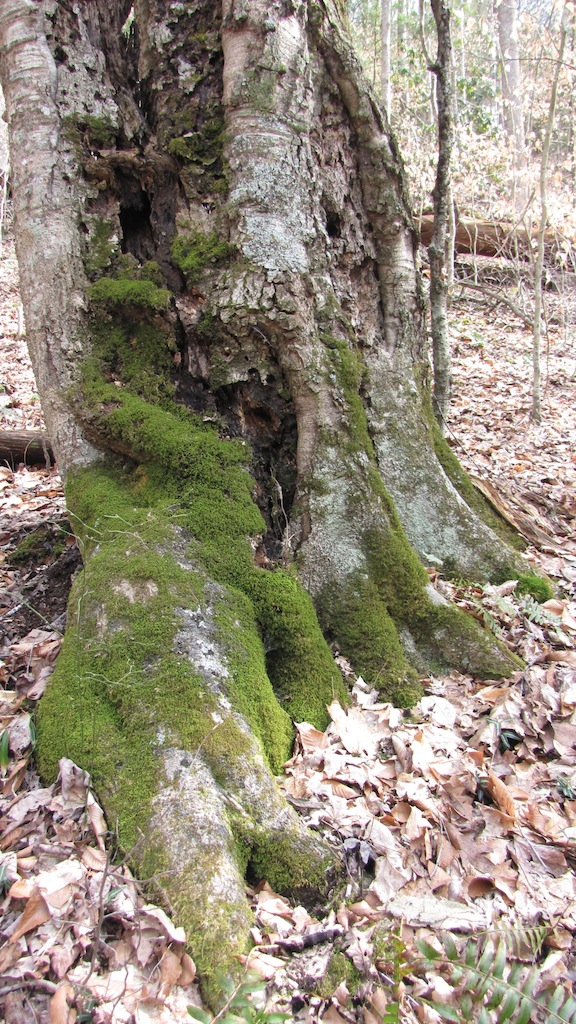
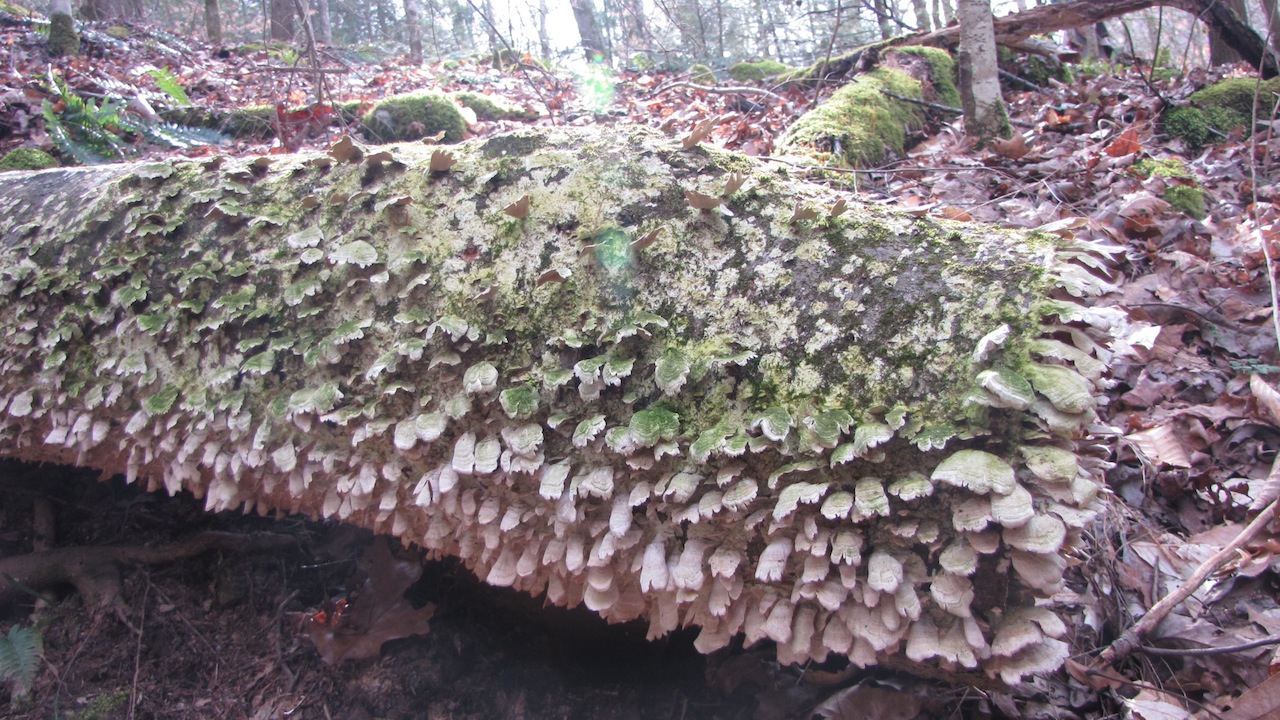
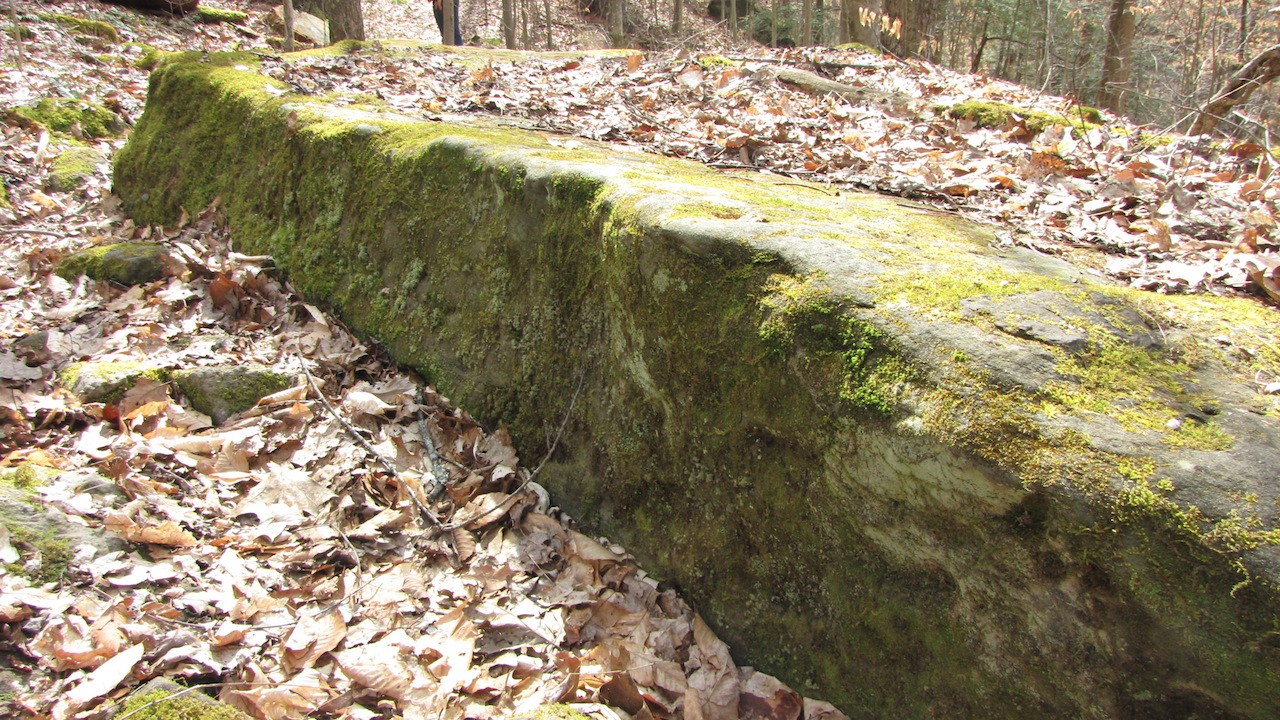
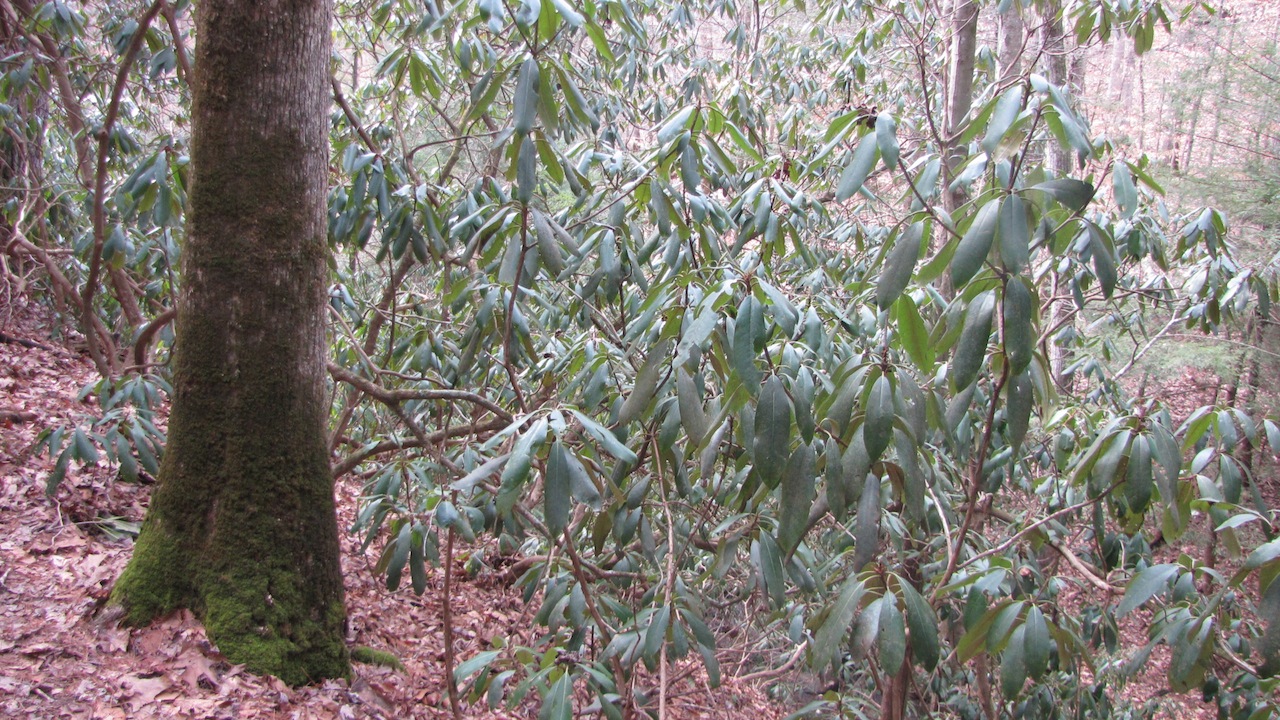
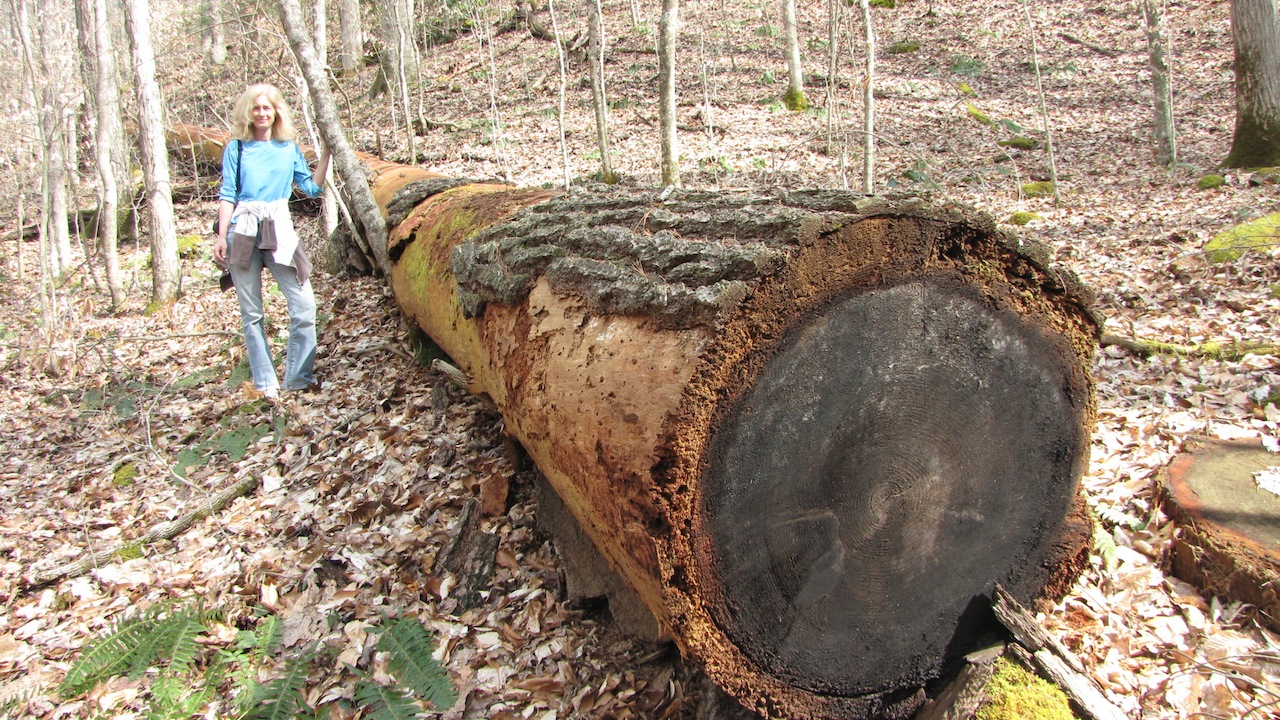
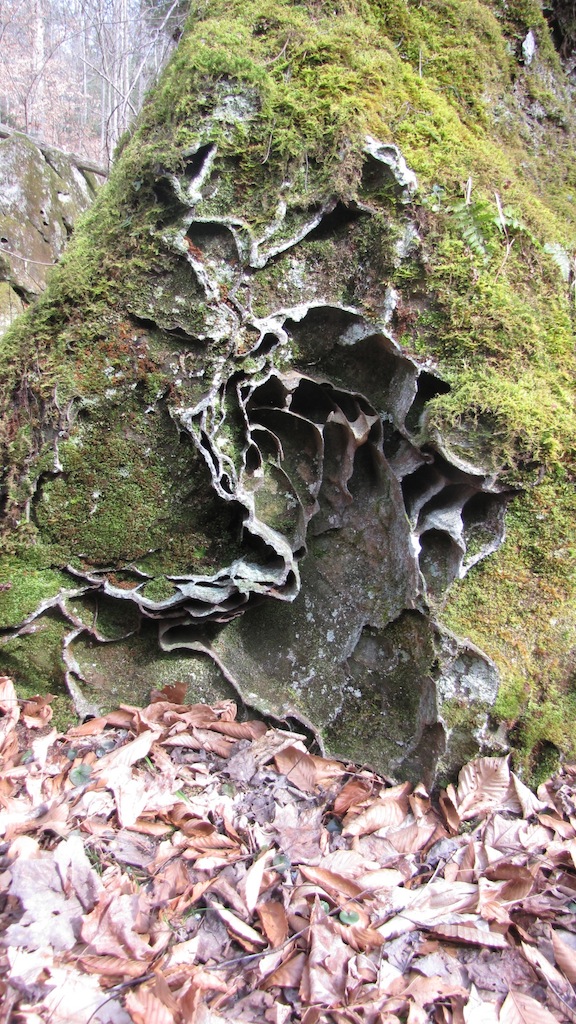
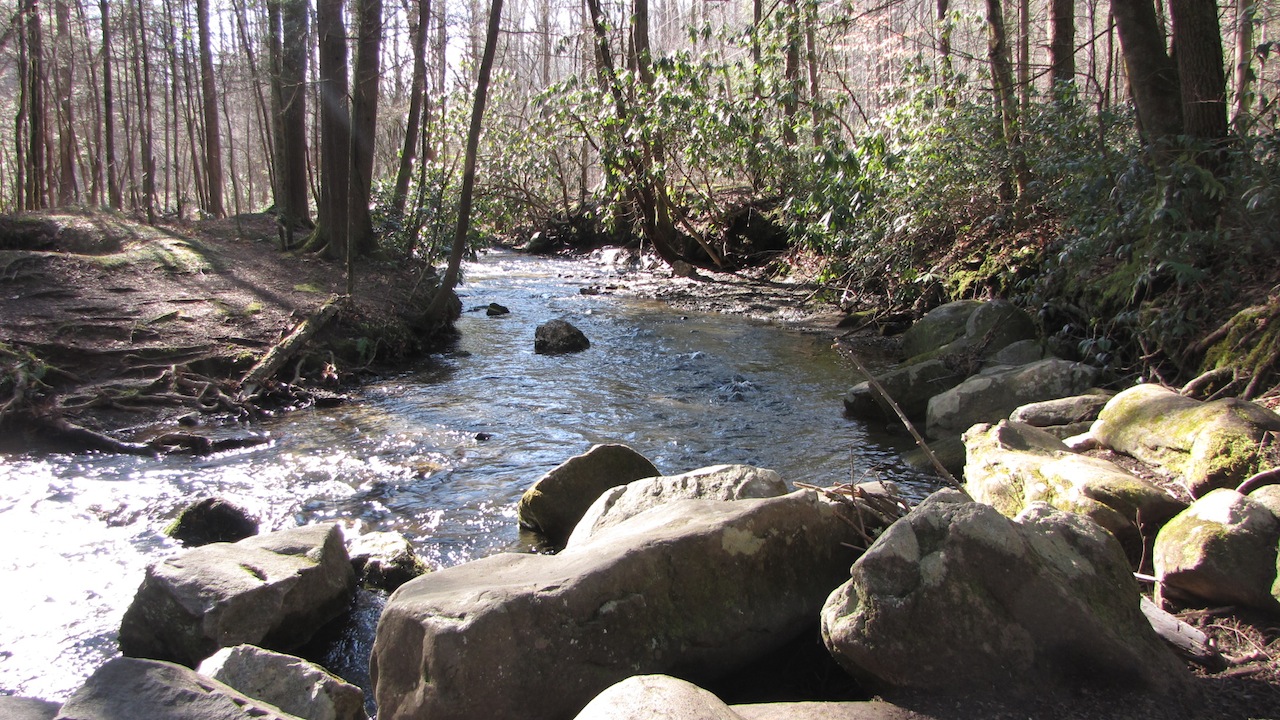
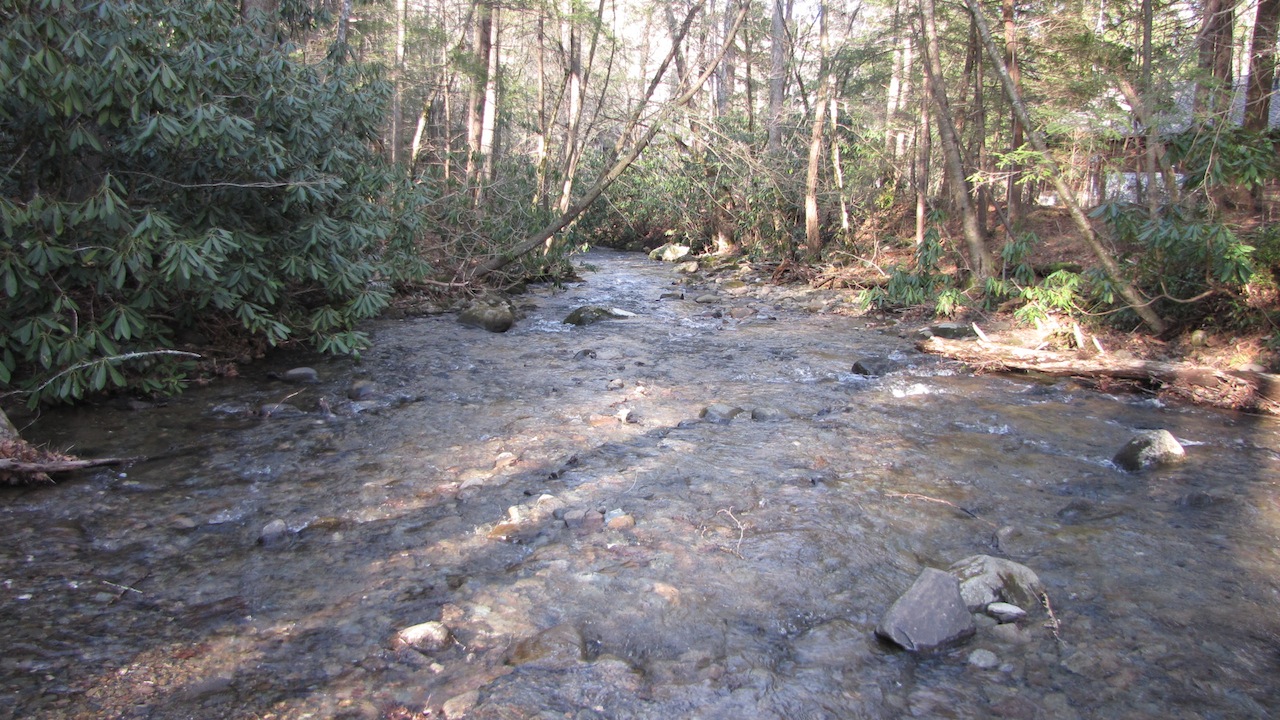
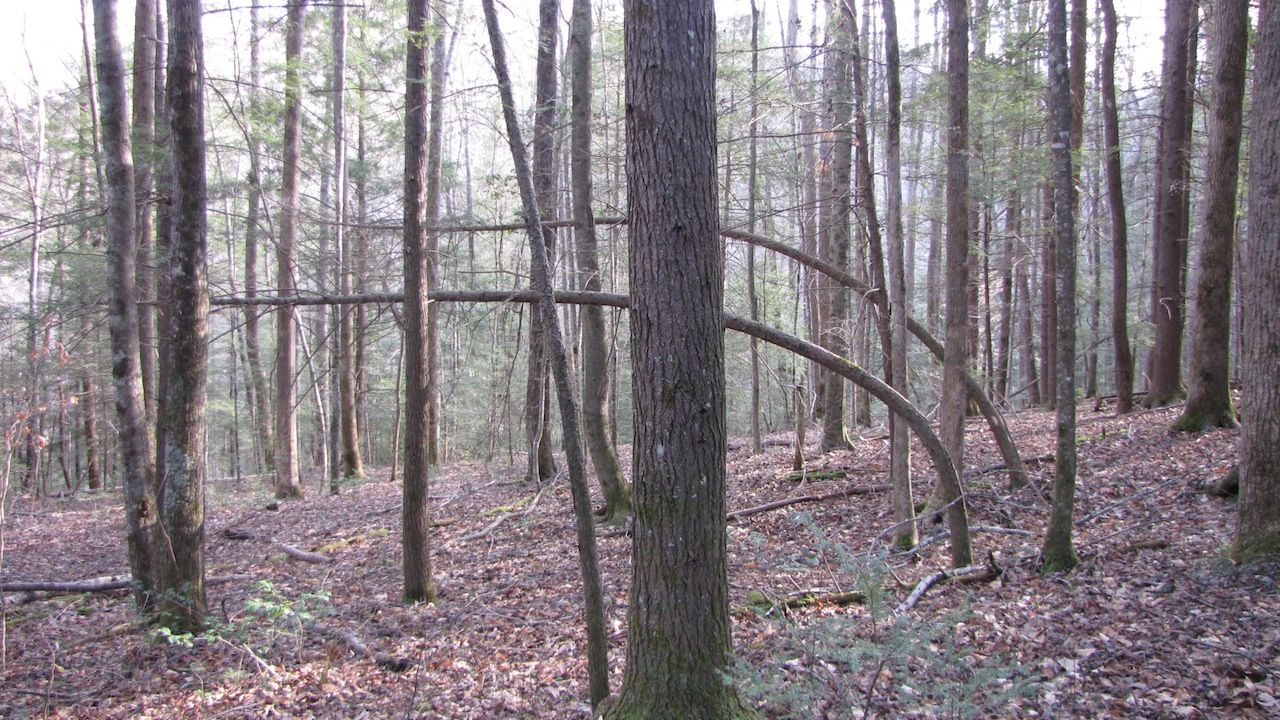
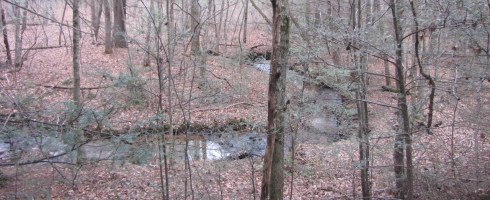
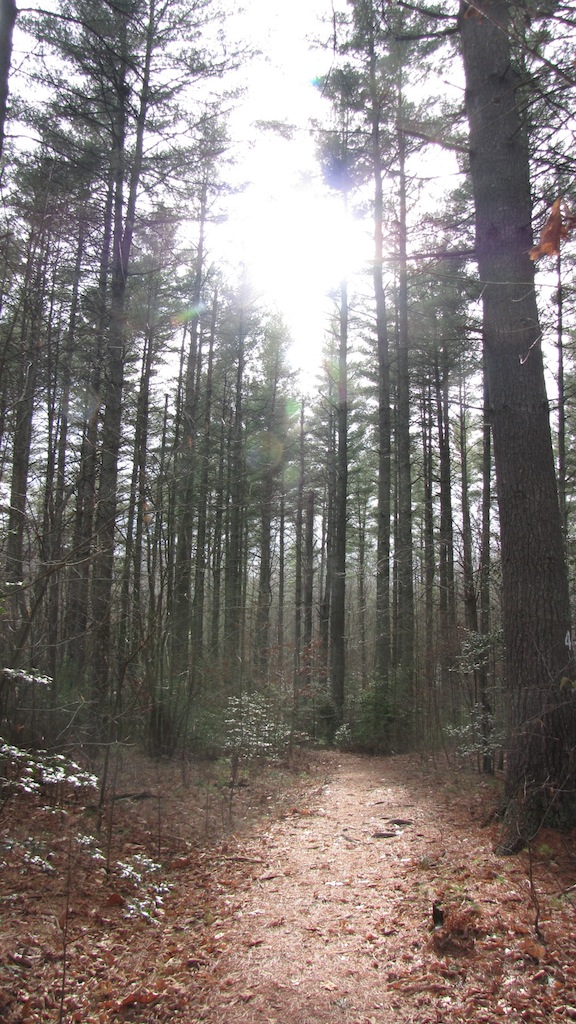
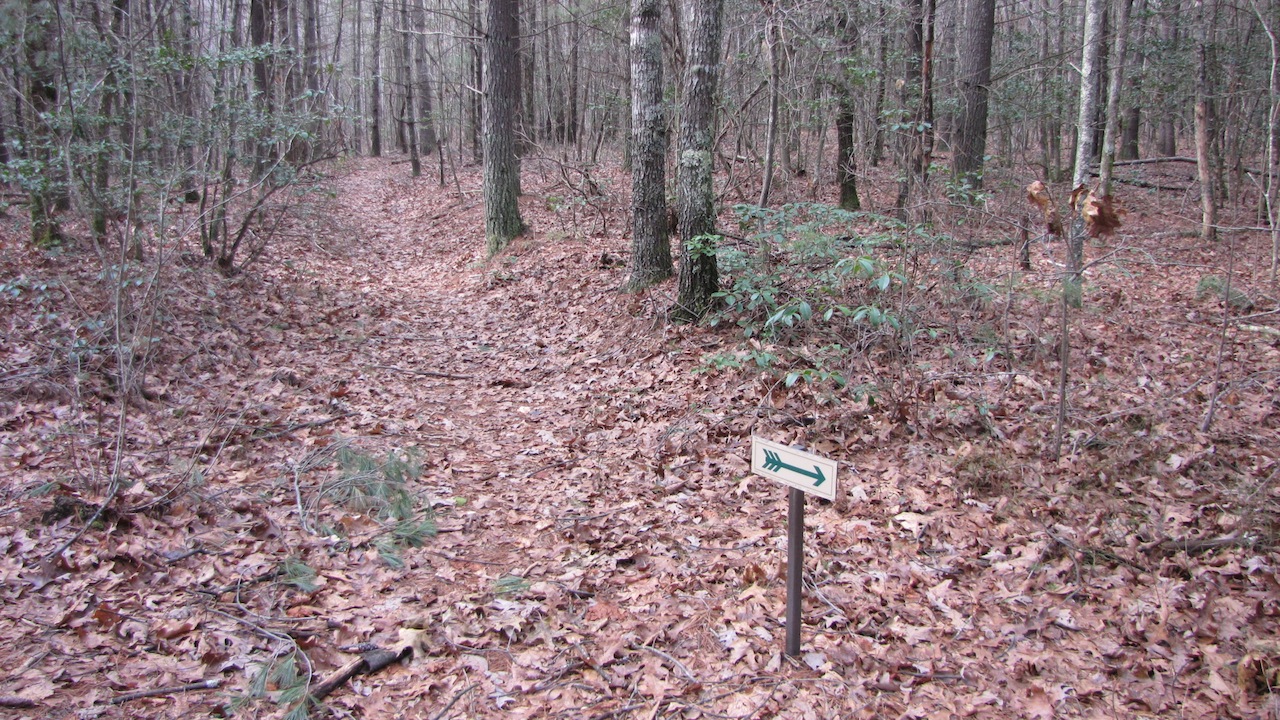
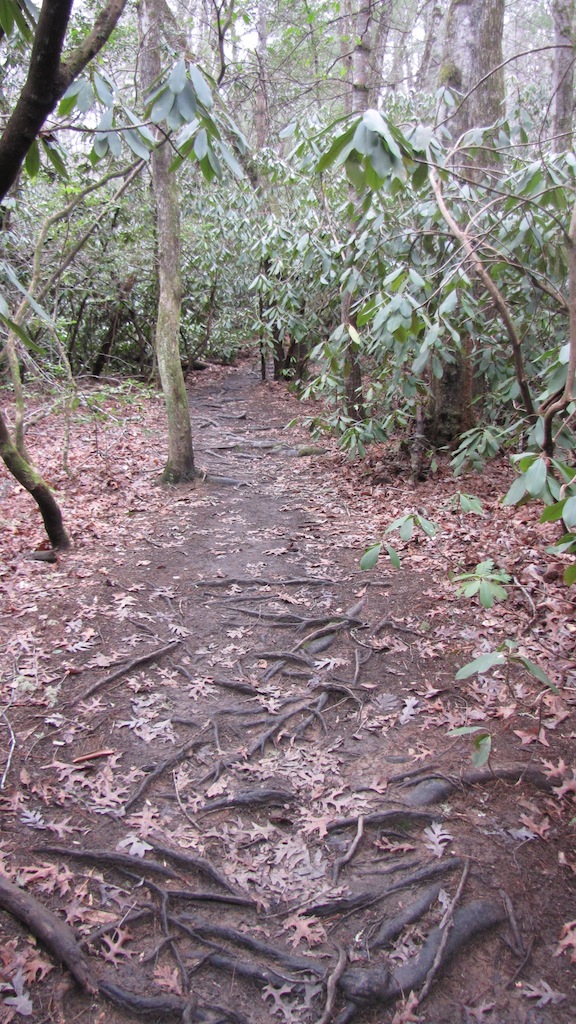
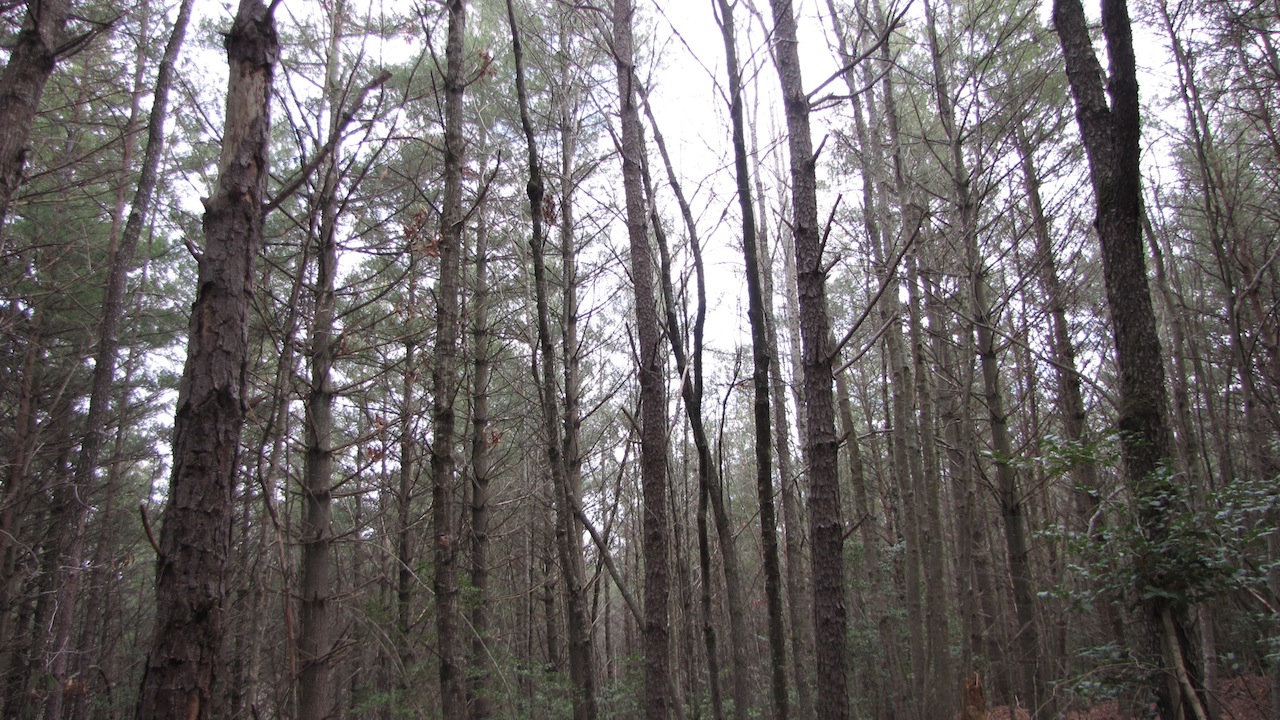
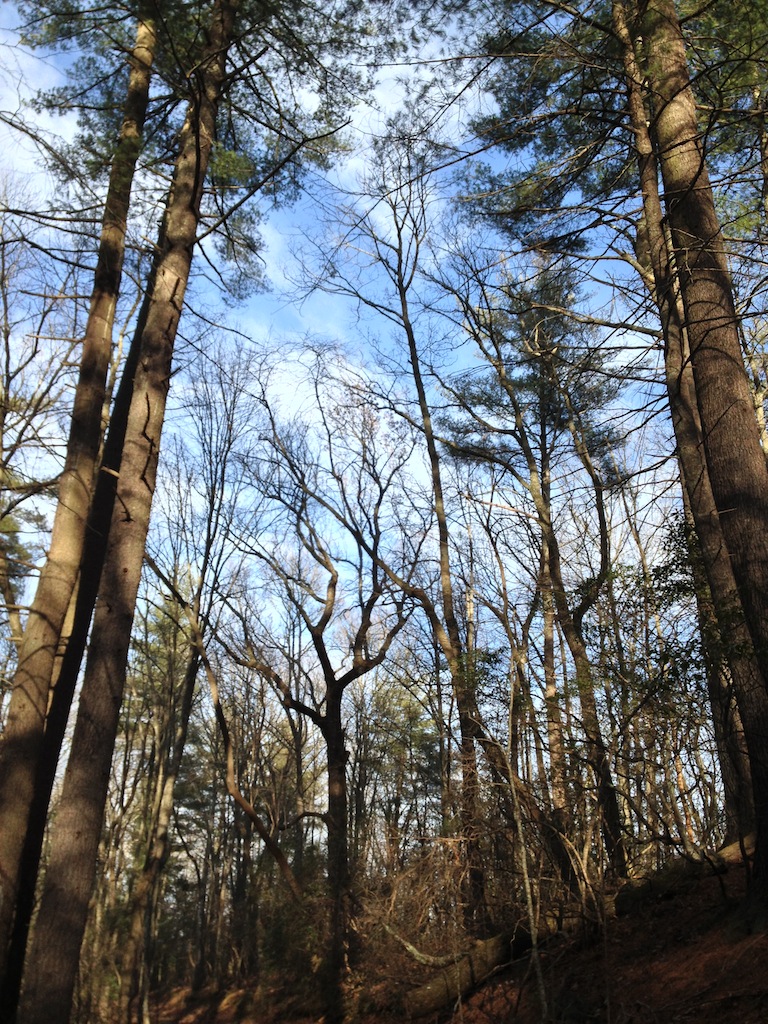
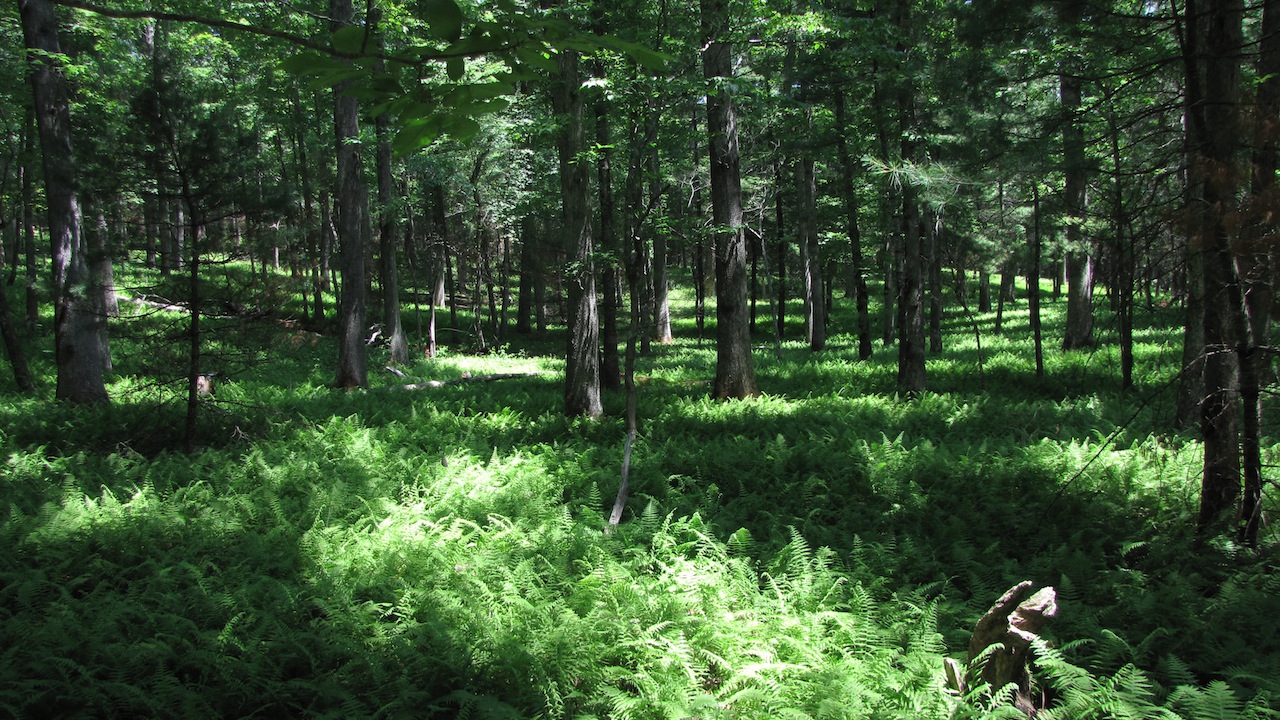
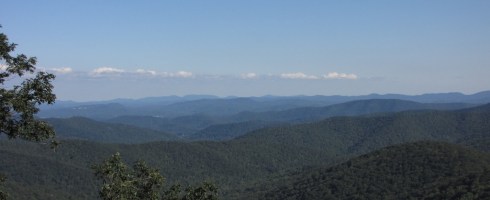
It’s the 7.5 mile Sand Gap Trail, but don’t get excited; we only went 3 miles. Some of my favorite aspects of this trail are its changing terrain – sometimes shrouded in deep thicket and other times offering wide vistas across ridges with glistening streams below – its many moss-covered rocks and older trees, and the solitude it provides.

My modus operandi on Sand Gap is to start at the bottom, from the Sky Lift parking lot, and hike “up.” Normally, unless it’s high season, I never run into a single other party because any traffic coming “down” the mountain would have had to have taken the chairlift up, and then chose to come down the 7.5 miles (or picked the trail inadvertently, as I’ve seen folks do). I occasionally find others who, like me, will hike in on this trail and just pick a turn-around point, but even this is rare unless it’s peak hiking season.

Alone out here, I’ve sneaked up on groups of Pileated Woodpeckers, hearing their high-pitched warning calls and watching them flee once my presence has been made known. But today, I knew they’d stay far off the trail, hearing our good-natured banter long before we approached their nesting grounds.

The weather was exquisite, between 70 and 75 degrees with a gentle breeze, the streams were running fast and furiously with new rainfall, providing an aural backdrop that could only signal the coming of spring, and, no, we didn’t see another soul.

IMG_9007

Sometime before my house closes in late April, I’d like to do the full 7.5 miles of Sand Gap down from top to bottom. The Sky Lift doesn’t begin operating until mid April, so fitting this in around moving to North Carolina could be dicey, but I’m willing to commit to it if someone wants to join me.

IMG_9043IMG_9029

Distance traveled: 3 miles

Difficulty: easy to moderate in places

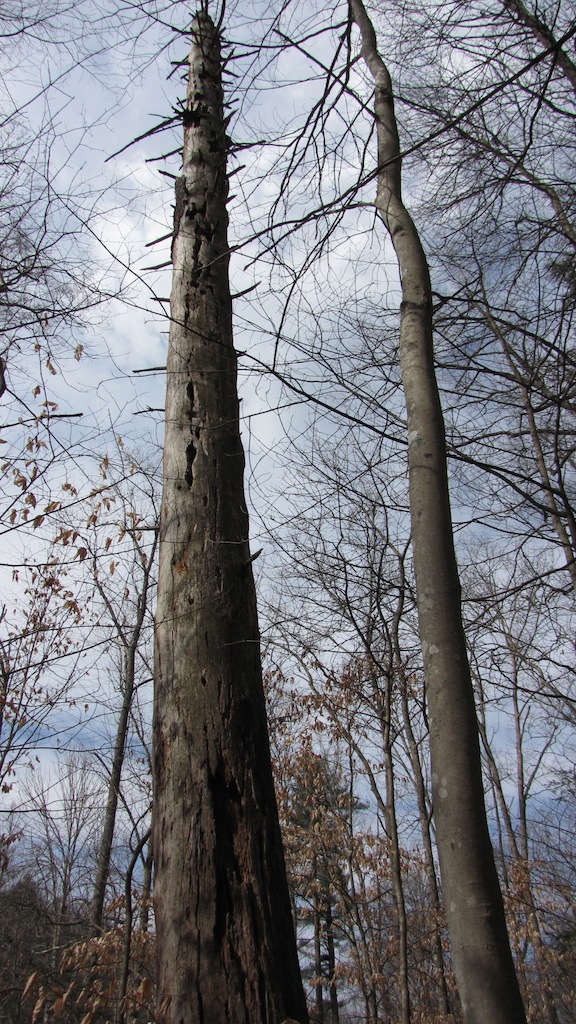
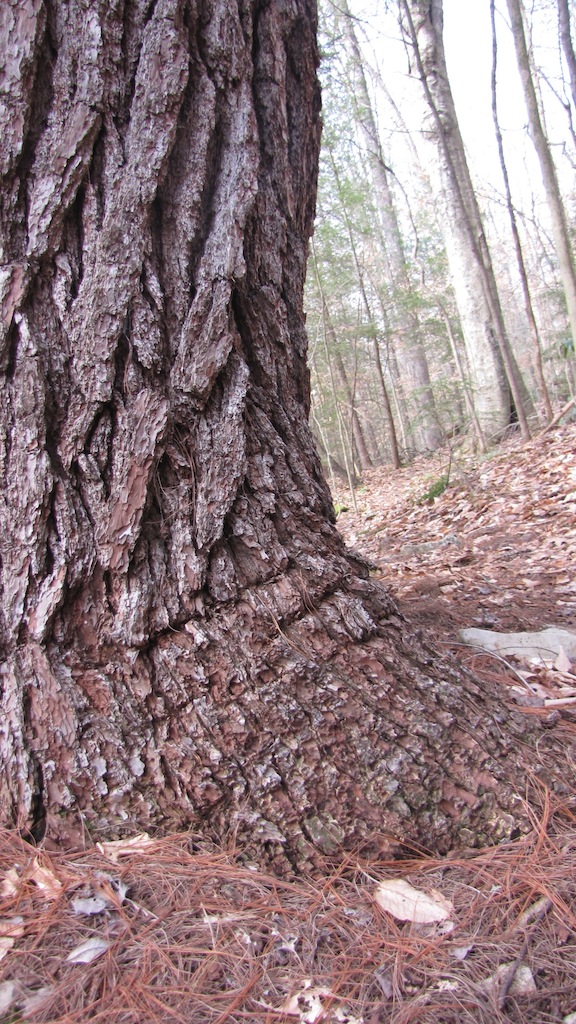
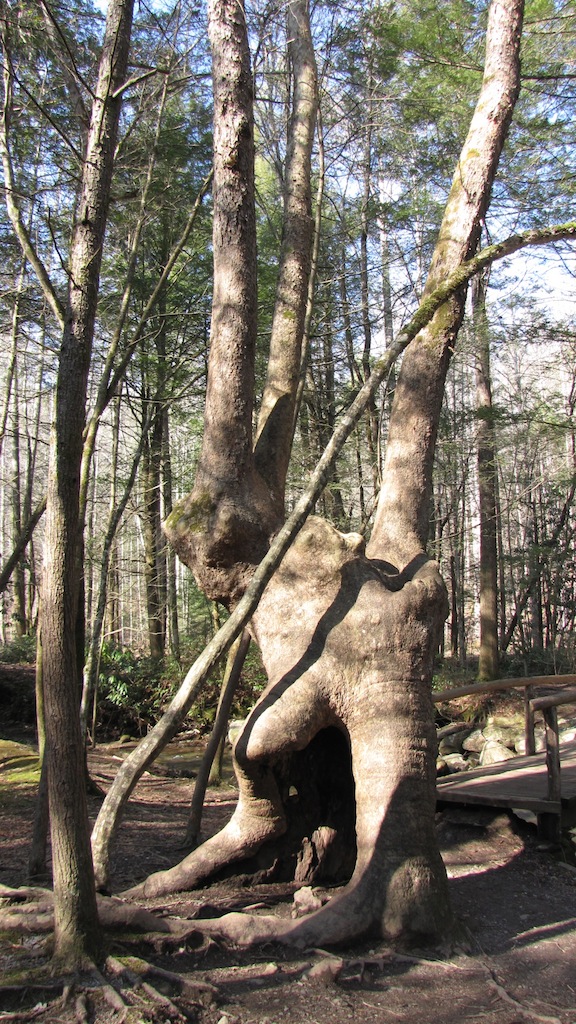
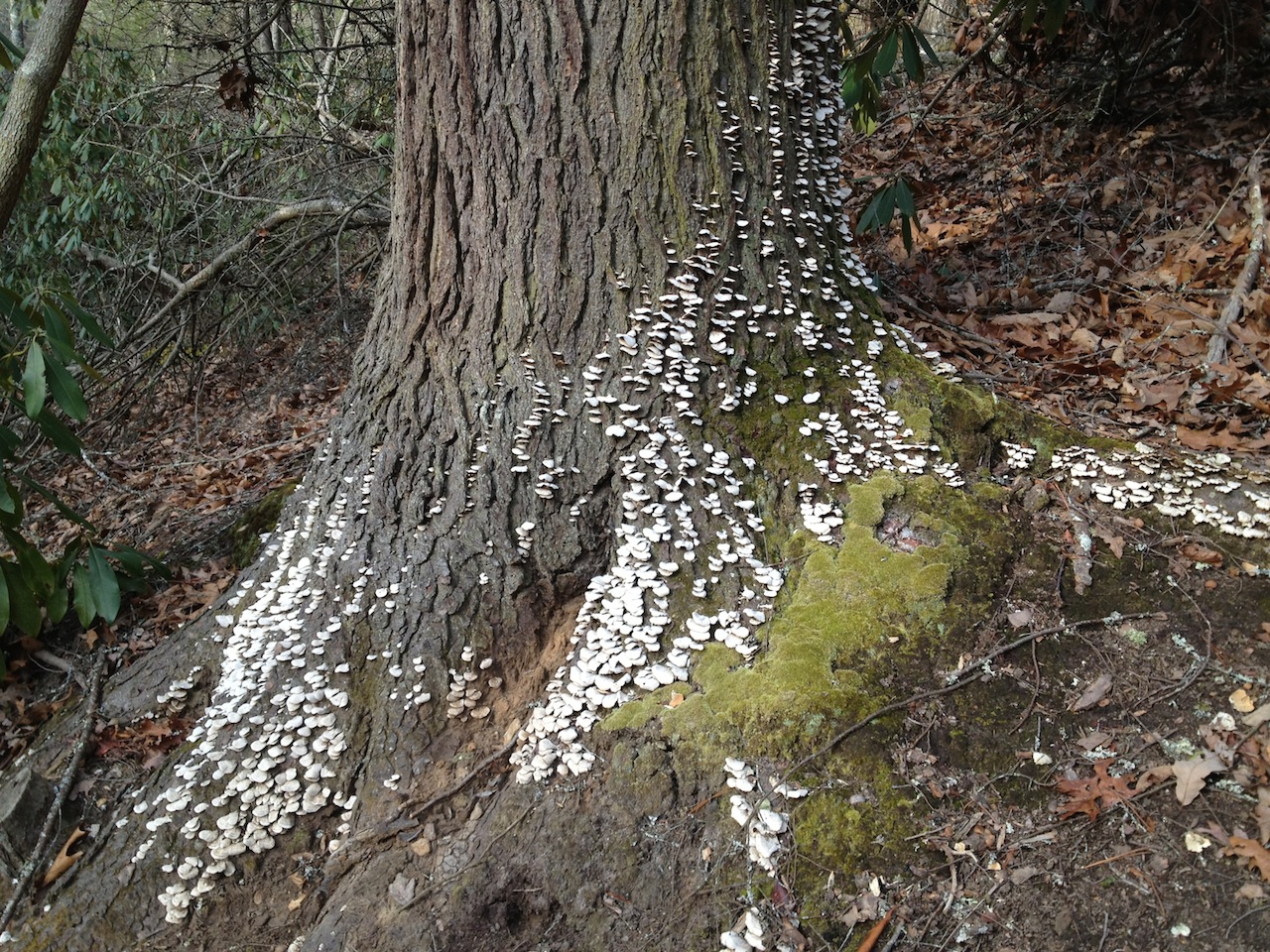
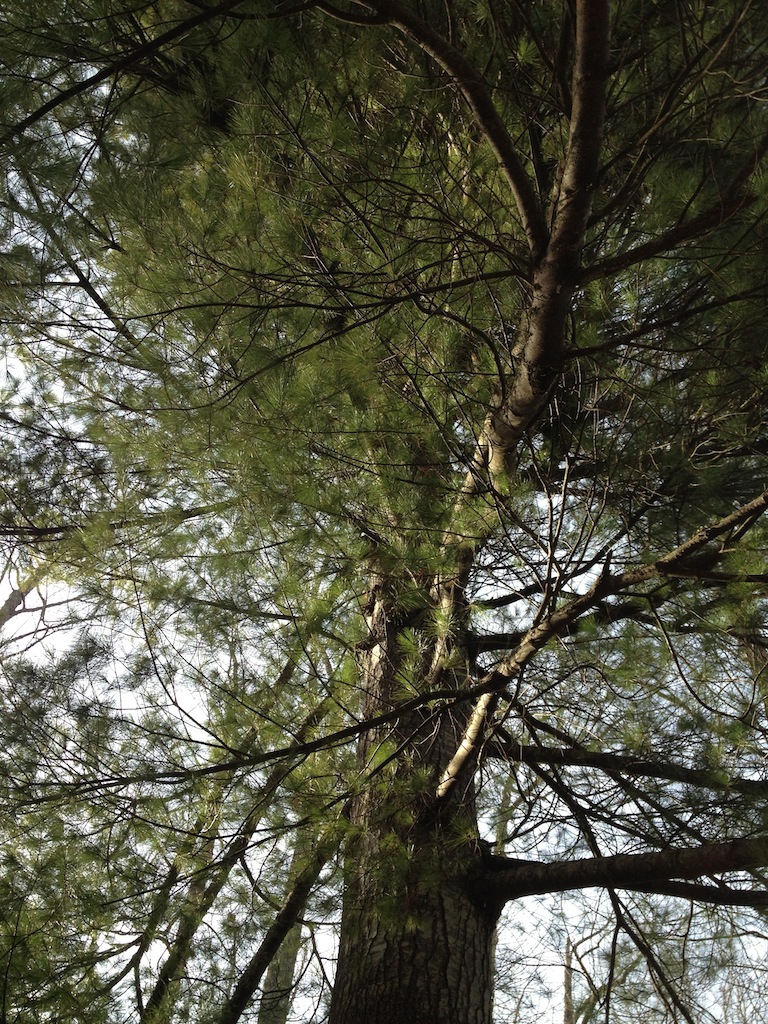
Trees of note: Beech, Sugar Maple, White Pine, Hemlock, Oak and Hickory

Guest photographer: Joseph Lamirand

IMG_8999

IMG_9126

IMG_9049

IMG_9021

IMG_9031

IMG_9070

IMG_9057

IMG_9037

IMG_9017

IMG_9118

IMG_9113

Editors, the conductors of the publishing world

6 Mar

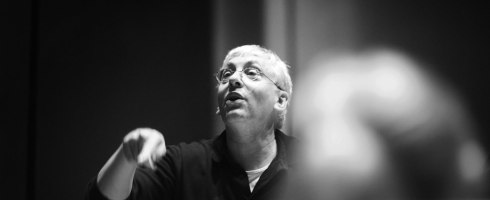
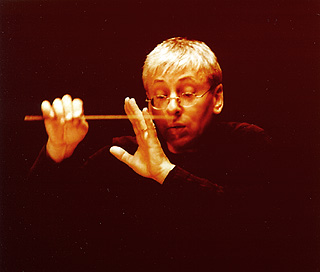
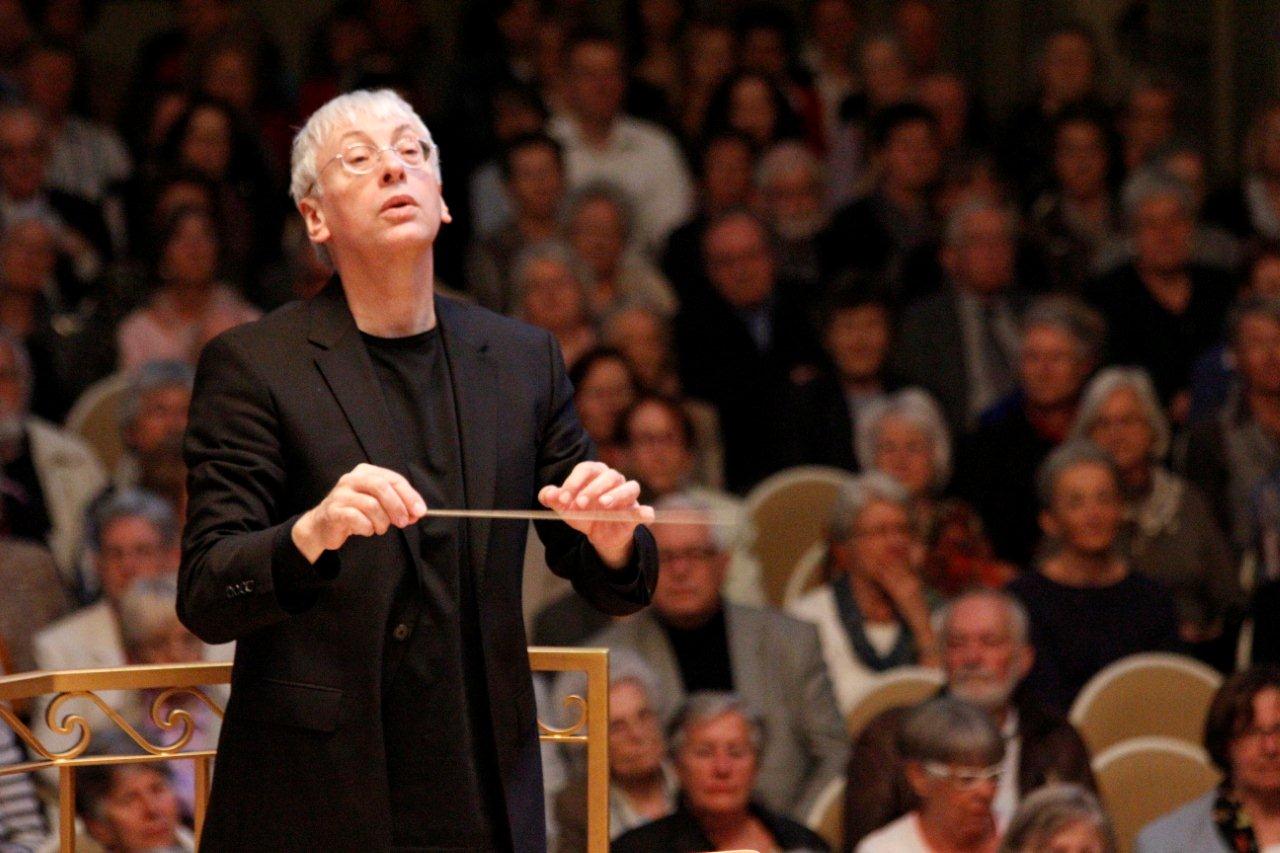
I was recently asked by a potential employer to describe the editor’s role within the publishing process. I immediately thought of Swiss conductor Mario Venzago, former Indianapolis Symphony Orchestra Music Director.

mariovenzago001_webEach time I have attended a performance by a symphony orchestra, most memorably those directed by Venzago, I have sat through most of it in tears. Whether Bruckner or Wagner, Schubert or Liszt, Dvorák or Ravel, the music always moves me deeply. But the emotion comes more from the fact of identifying so strongly with the conductor, and seeing what he does as the quintessential metaphor for what I do, and what others do, when we are editors in every sense of the word.

We put it all together. We choose the material. We set the pace. We communicate and network with all the community stakeholders involved. We choose the players we feel can contribute the most effectively to our ensemble.

We coach others on minute details of their style and performance and somehow keep them feeling not criticized, but motivated because we are working together for something greater than us.

mariovenzago003_minWe hear and see the big picture of how everything needs to come together in the giant whole of a publication. And yet we orchestrate every single detail of everyone on the team pulling together to make it all happen as perfectly as possible.

We cross t’s and dot i’s a lot of the time. But we also plan, prod, goad, think at 20,000 feet so others can focus on smaller parts, coach, mentor, teach, challenge others to reach their potential, juggle all the balls at once – all the while keeping time for the entire group.

Even now, having gone several years without seeing Venzago in action, without hearing the product of his amazing vision in the musical realm, I’m still stirred and motivated by remembering the times I was in his audience. And although he was released unexpectedly and inexplicably from his duties in Indianapolis, I know I join throngs of others in wishing him well as he continues to inspire those fortunate enough to see and hear him in Newcastle, Bern and beyond.

mariovenzago004Not long after being asked to reflect on the editor’s role, I attended a networking luncheon in Asheville, North Carolina. After everyone took turns delivering one-minute introductions, a woman came up to me and provided the name and e-mail address of someone she knew in publishing. “He might not be much help, though,” she said. “He’s just an editor.”

Just an editor? No, I thought. No one is just an editor. Our role is akin to that of Socrates, whom Plato described in his Apology as having said, “I am that gadfly which God has attached to the state, all day long… arousing and persuading and reproaching… You will not easily find another like me.”

Perhaps like Mario Venzago, I continue to be amazed at our current economy and life’s unexpected crescendos and diminuendos. But in the face of uncertainty, and when I wonder what comes next, I know one thing, and that is that I am proud to be an editor.

We are the conductors, the visionaries, the directors and the gracious gadflies of the publishing world.

Learn more about Mario Venzago.

mariovenzago005

Hike #3 Fighting Creek Trail (a.k.a. The Frog Blog)

29 Jan

Great Smoky Mountains National Park was my hiking destination yesterday. Leaving Asheville at 9 a.m., I traveled to Gatlinburg for a meeting with Todd Witcher, executive director for Discover Life in America, a non-profit organization that manages a thorough scientific inventory of all the park’s species that has been going on for the past 15 years.

After talking with Todd about the project and viewing the park’s LEED Certified Twin Creeks Science and Education Center with its vast collections room, I was excited to get out into the woods and see if I could spot some live specimens. I didn’t have a great deal of time, and so chose a short, easy trail that begins behind the Sugarlands Visitor’s Center. It was 64 degrees and about 1 p.m. when I started out on the Fighting Creek Nature Trail.

IMG_8862

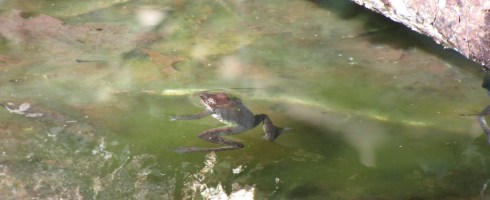
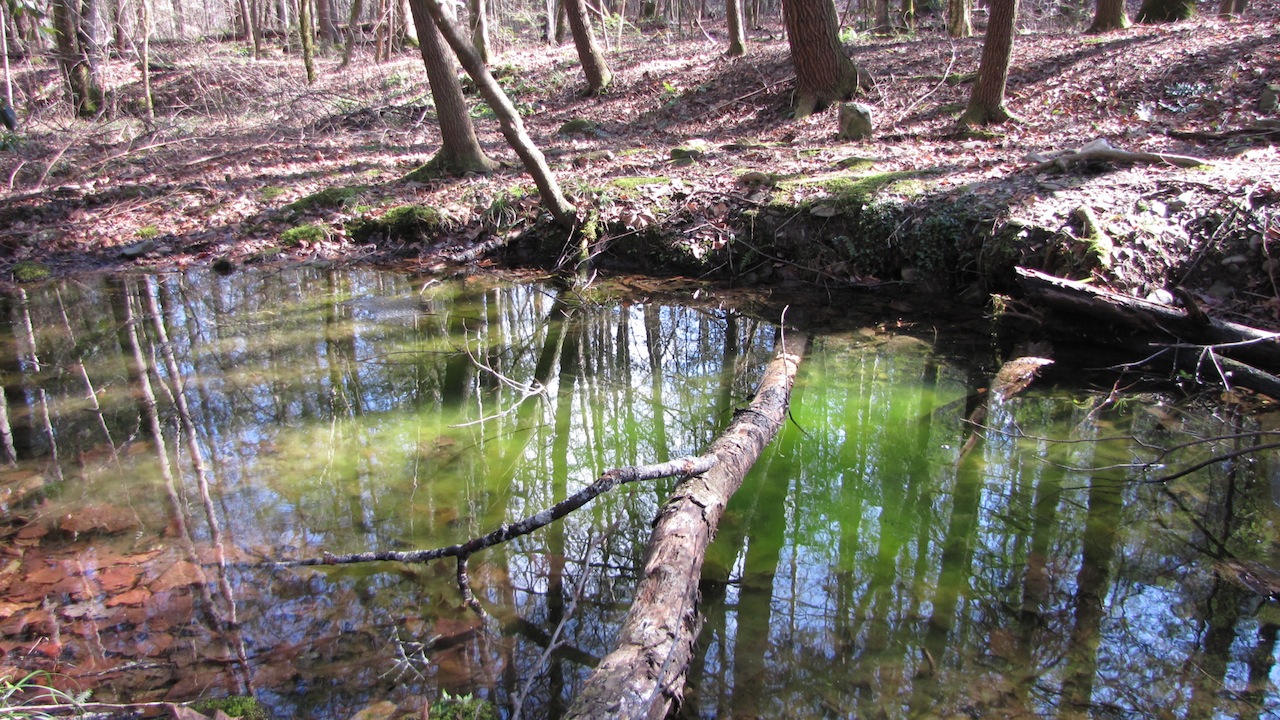
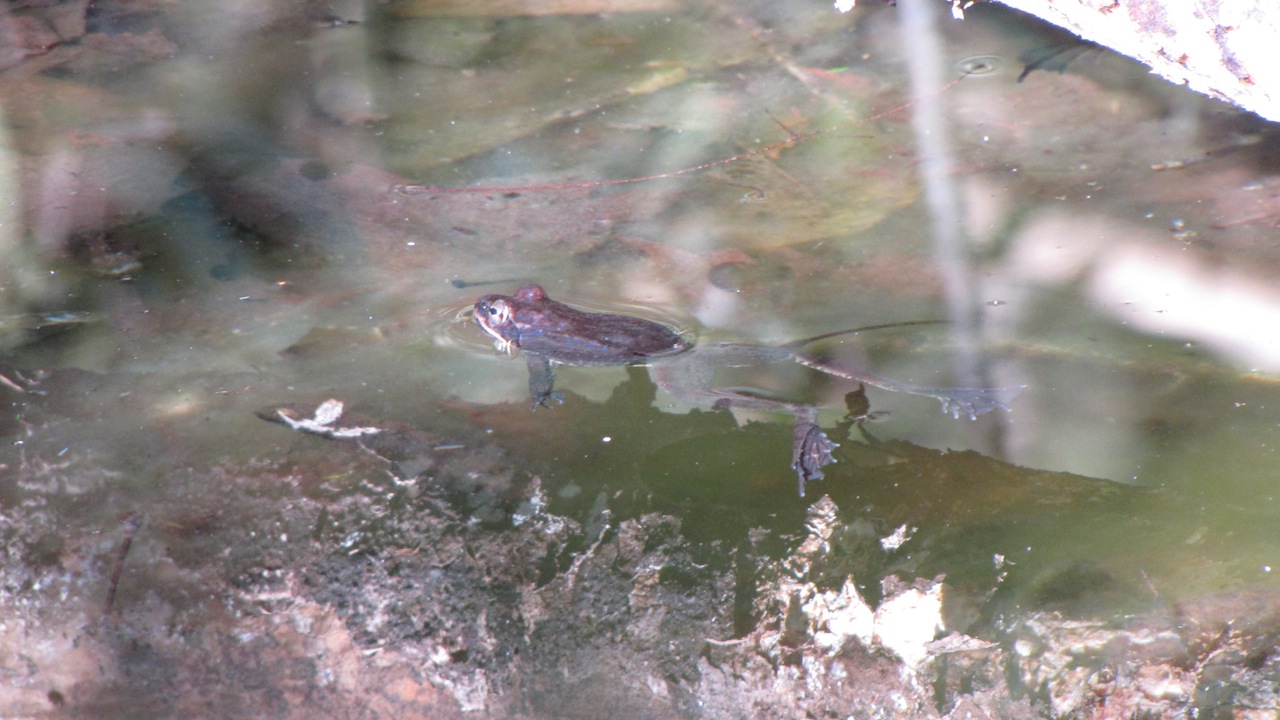
I hadn’t been hiking long when I heard quite a ruckus of high-pitched vocalizations just a “tad” off the trail. Following what I at first mistook for bird chatter, I spied a small green pond, tucked behind a grove of trees. Immediately upon seeing the water, I realized the source of the raucous sounds.

IMG_8844Upon my arrival at the tiny pond’s bank, all was quiet; only the final plops of retreat echoed across the surface, now muddy from what was sure to be dozens of diving frogs!

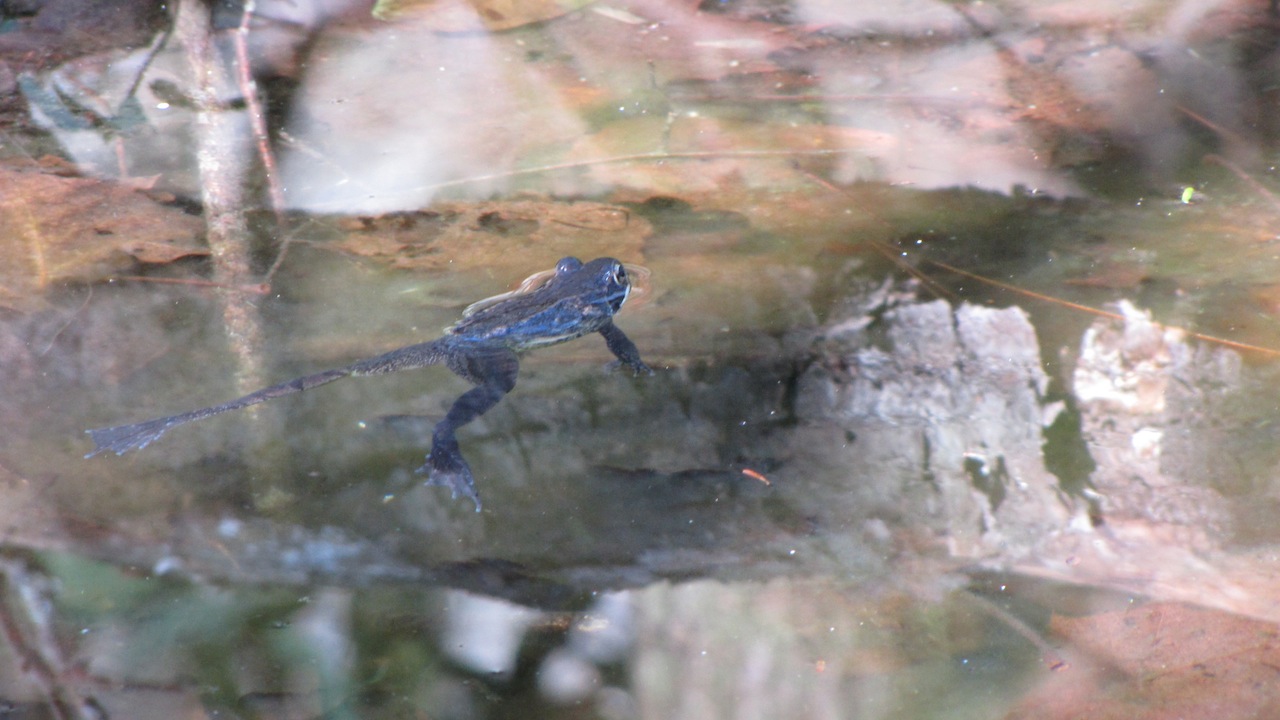
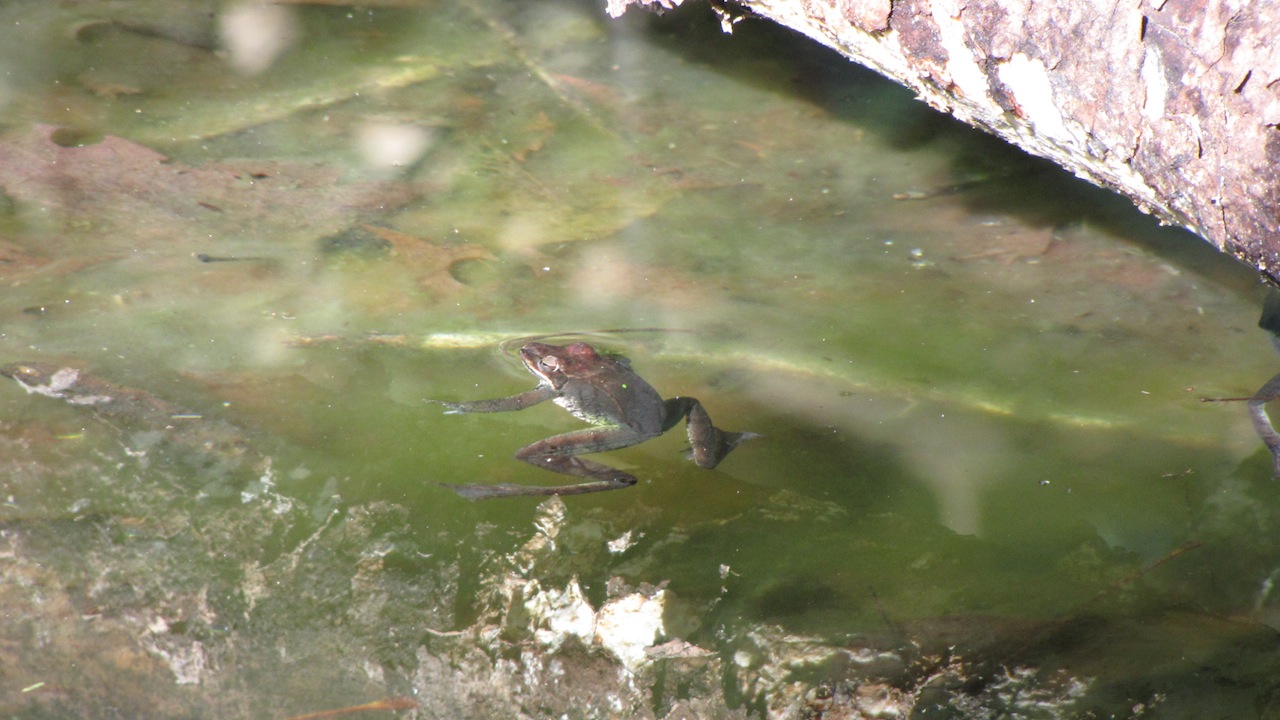
How long does one have to sit beside a pond before the frogs will start peeping again? I decided to attempt to find out. I sat very still in the soft leaves, watching and listening. Finally, after some 20 minutes, I began to see slow movement in the water, and tiny heads with great bulging eyes began to emerge one by one all over the pond. Before long I realized I could see at least 15 pairs of eyes, all fixed on me!

Once when I lifted my binoculars to get a better view, the gleaming amphibians darted down in retreat once again. But this time, it didn’t take long for them to come back up. They seemed as interested in studying me as I was in watching them.

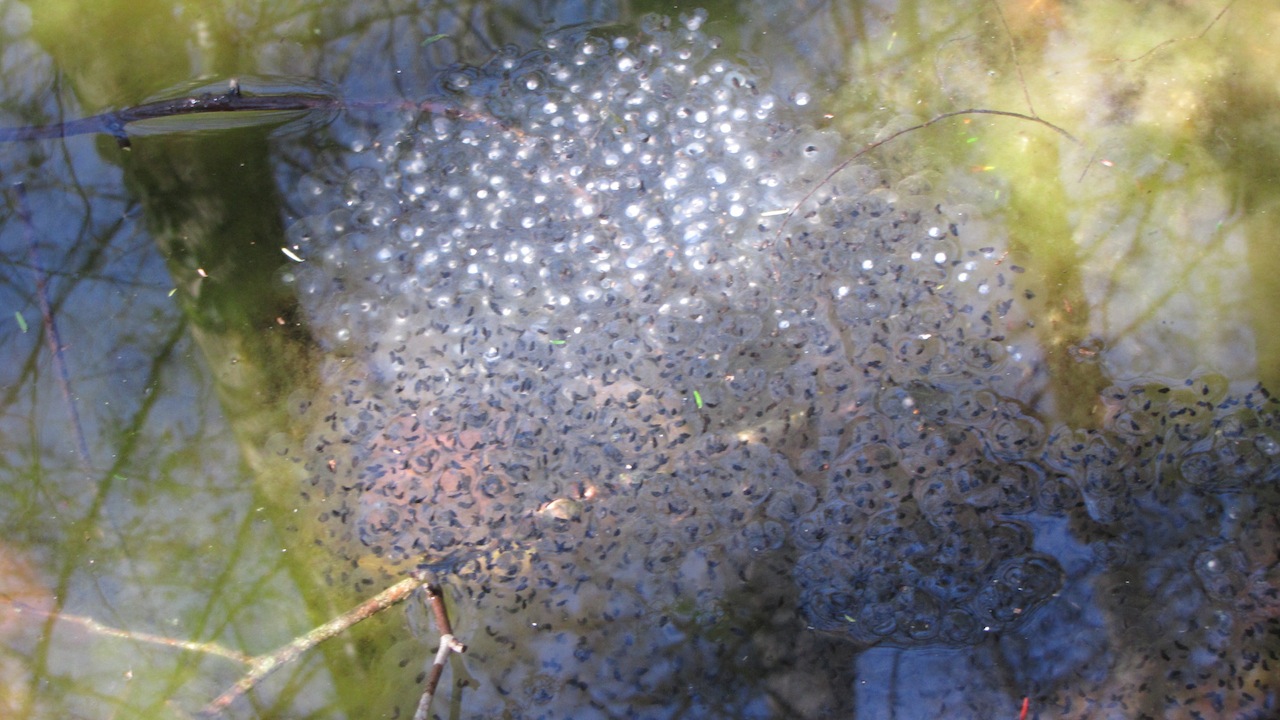
I adapted to making much slower movements, and they adapted to my presence. Finally, after nearly an hour, they relaxed and stopped staring at me, drifting lazily with out-splayed legs in what I suppose is their usual fashion when unmonitored. Then, with them facing away from me, I was able to get a few zoomed photographs without causing a stir. But, alas, their peeping never did resume during my surveillance.

IMG_8848

IMG_8846

IMG_8853

What I did was not unlike the way that scientists involved with Discover Life in America’s All Taxa Biodiversity Inventory work to identify and record the locations of various species throughout the park. The people who combine efforts on this project are not just scientists with university degrees but also everyday armchair naturalist types who are, like me, just really interested in nature. They are what DLIA proudly calls “citizen scientists” – and without them the ATBI would not have exceeded all expectations and discovered more than 900 species in the park that are new to science!

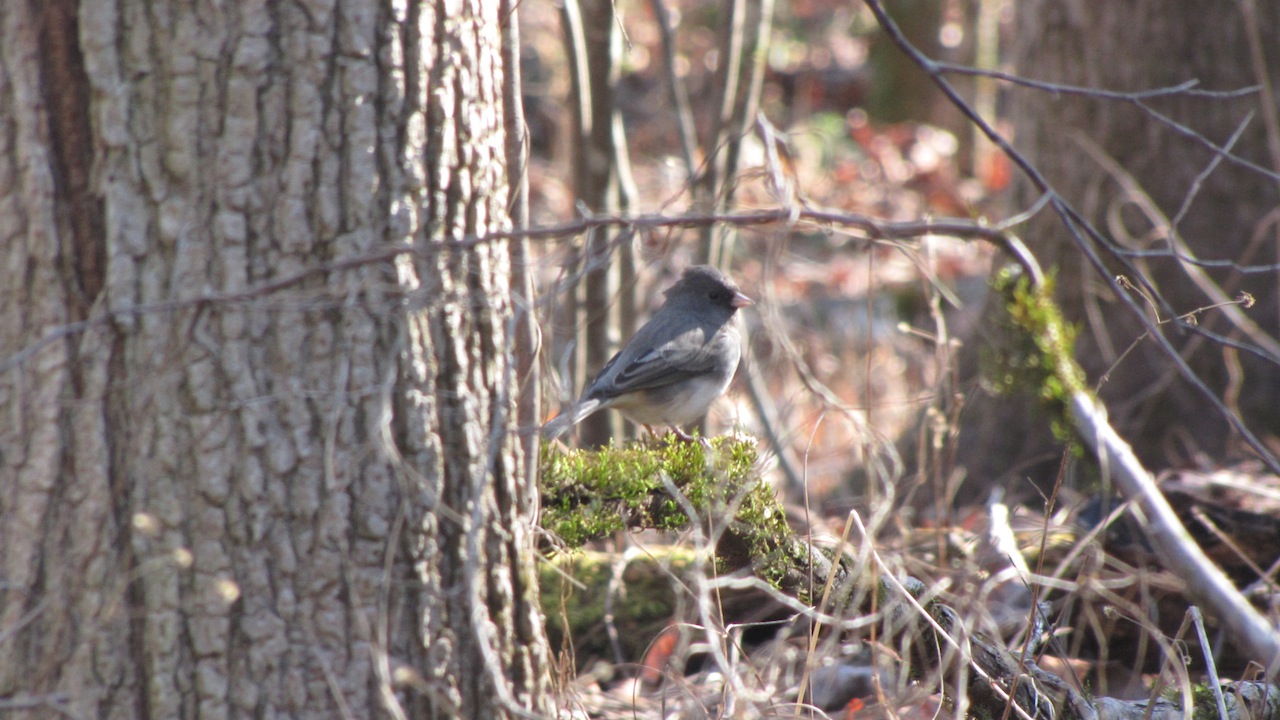
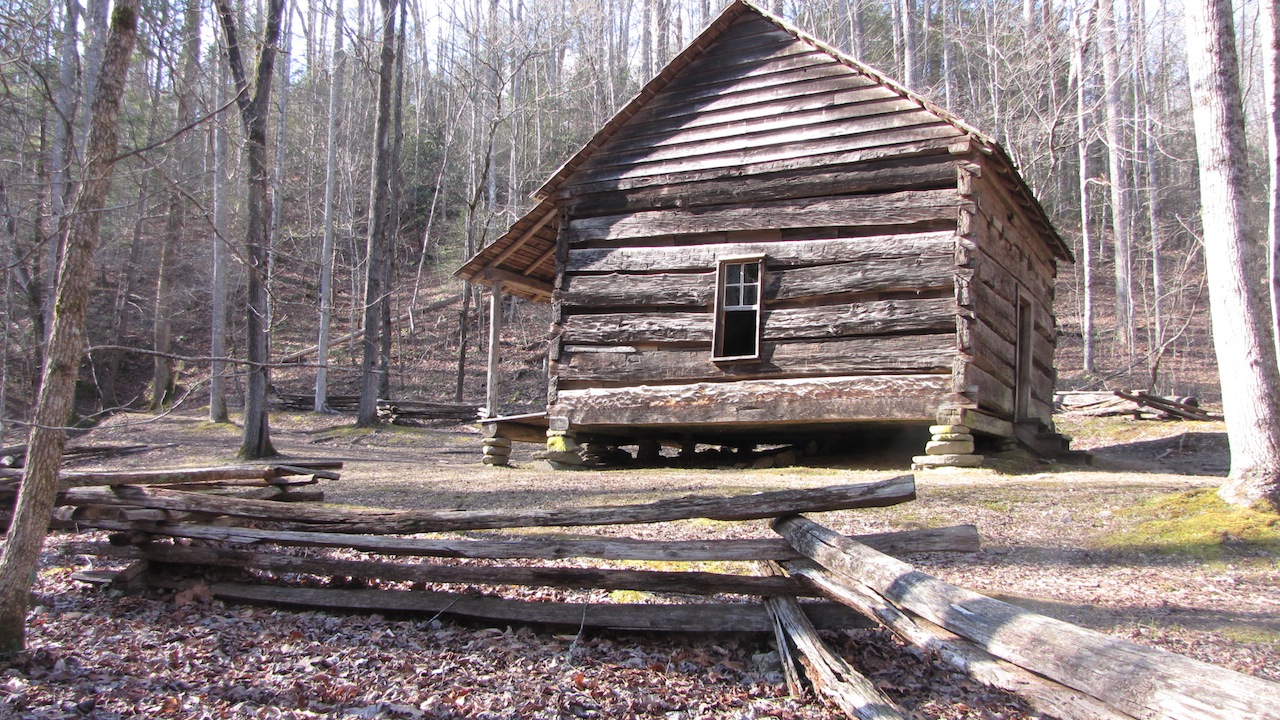
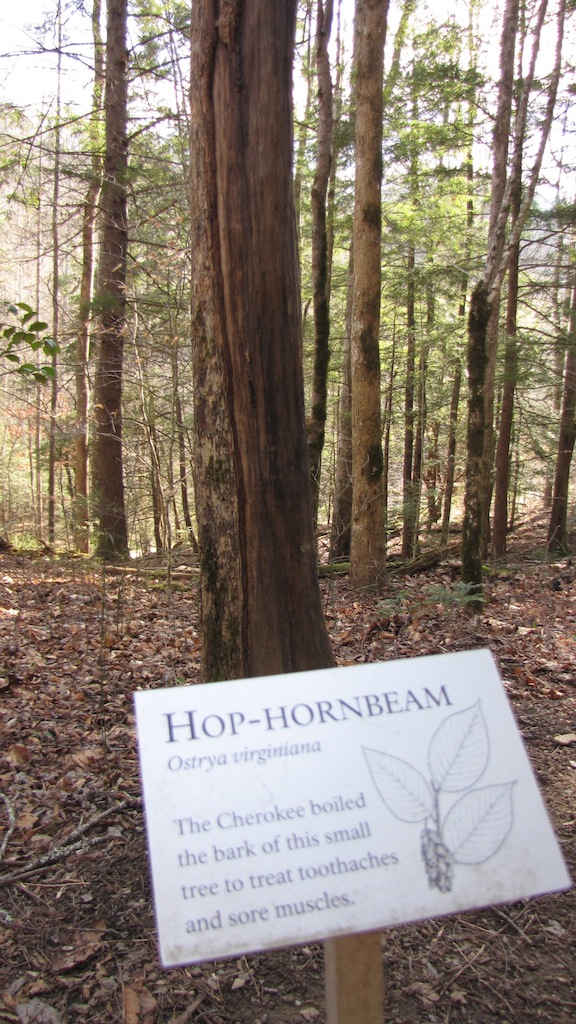
IMG_8843The nature trail loop was pleasurable and felt fairly “out there” for being so close to the visitor’s center and a major park thoroughfare, although I’m sure during warmer months there is little solitude here. There was plenty of picturesque intersection with the beautiful creek and signage pointed out a few tree species’ names that were new to me, including Hop-Hornbeam, used by the Cherokee as a painkiller. I was happy to encounter a pair of Dark-eyed Juncos – to balance the taxonomic specimens I had seen earlier. For those interested in historic structures, the restored 1860s John Ownby Cabin stands at about the half-way point. Had I not practiced patience at the peeper pond, I’d have completed the entire hike in under an hour.

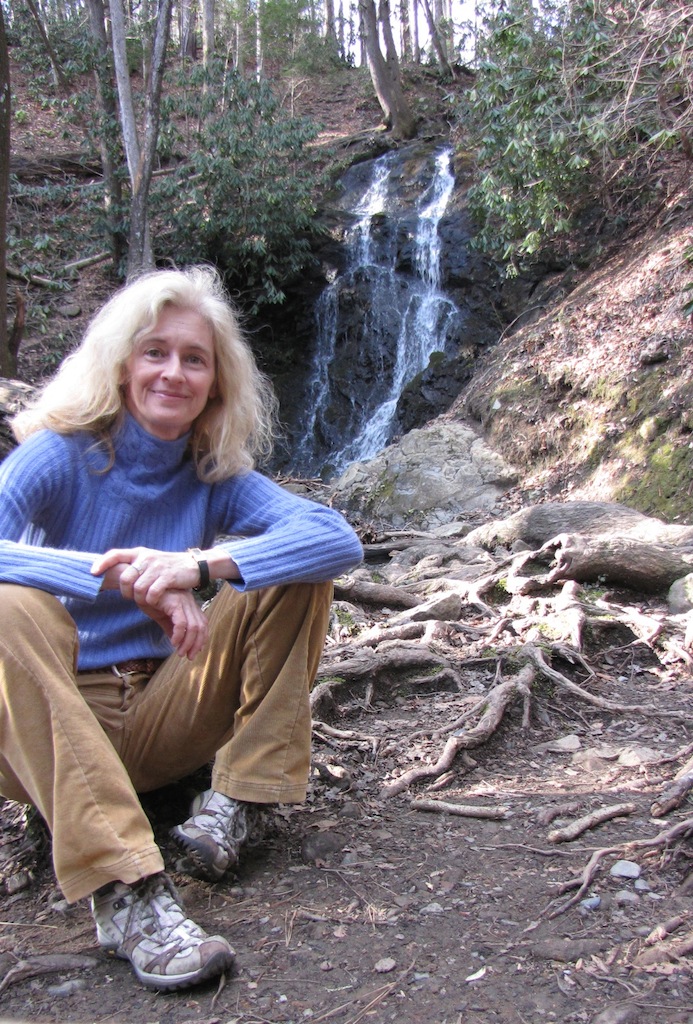
After capping off my solo adventure with a quick jaunt up to Cataract Falls (off the nature trail), I rejoined the Fighting Creek loop that led me back near the frogs’ habitat. I could hear their cacophonous chorus loud and clear, and was tempted to return to their secluded domicile for more amphibious fun.

But the sun was getting low in the sky and I had several hours’ drive ahead. It was time to set a course for my own old Kentucky home, where late last night I learned from Wikipedia that in Cherokee lore, the Sugarlands was part of the area known as “Walasi’yi,” or “Frog place.”IMG_8849

Learn more about Discover Life in America and the All Taxa Biodiversity Inventory.

Distance traveled: 1.6 miles

Difficulty: Easy

Birds spotted: Dark-eyed Junko, Northern Cardinal, Tufted Titmouse

Flora of note: Hop-hornbeam, Box Elder, Sycamore, Yellow Poplar, Paw Paw, Sweet Gum, Sassafras, Moosewood

IMG_8864

IMG_8879

IMG_8876

IMG_8870

IMG_8874

IMG_8883IMG_8867

Hike #2: Rice Pinnacle at Bent Creek

13 Jan

Today I returned to the Bent Creek area near West Asheville; it was 72 degrees when I started out on a solo adventure around 1 p.m.

IMG_8819Parking at the Rice Pinnacle Trail Head, I first explored the USDA Forest Service Southern Research Station’s Bent Creek Centennial Interpretive Trail. This easy loop offers great signage (although each placard was extremely muddy) about the species and work being done in the Bent Creek Experimental Forest, which comprises some 6,000 acres and houses the North Carolina State Arboretum.

IMG_8814While on this trail, I decided to practice my intuitive navigational skills. When I came to a sign with an arrow indicating I should stay on the trail by going right, I instead deviated from the marked trail and took an unmarked but decent trail to the left. This took me about a mile into the woods, during which time I made at least seven departures onto different trails, ending up at a pump station and a private property sign. Retracing my steps was fun and challenging – and I only saw a couple of other hikers over in this unmarked area.

IMG_8820

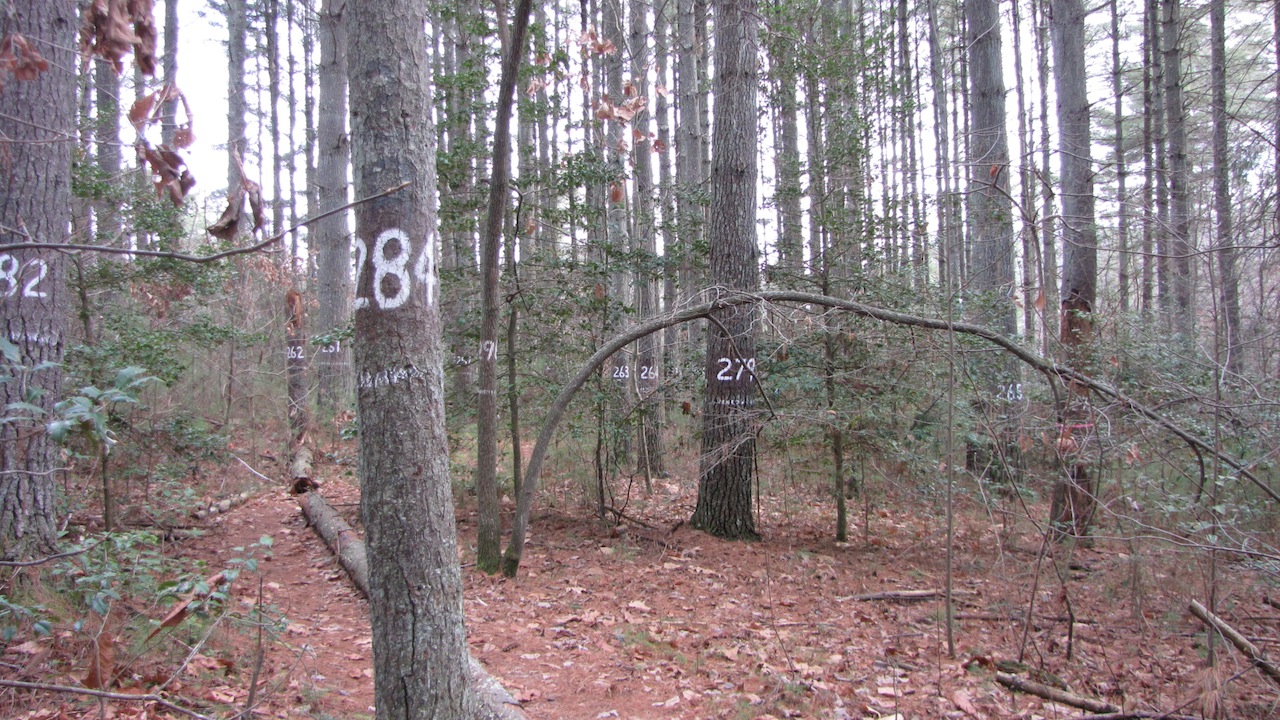
Back on the interpretive trail, I came upon a disturbing sight; a grove of pine trees with huge numbers painted on their trunks! I learned from the muddy placard that “canopy density is related to basal area, which is the total area of trunk cross sections. It determines the amount of light allowed to reach growing seedlings. Studies conducted here compare basal area and canopy density to light penetration. Results help foresters make management decisions and predict future tree species.”

IMG_8797Wondering what it means to predict a species, I returned to the parking area, from which I set off on the Rice Pinnacle Trail, which crosses many of the bends in Bent Creek and eventually links up with the Bent Creek trail loops and Lake Powatan. Because this cluster of trails is convenient to town, it attracts a diversity of outdoor enthusiasts, including mountain bikers, joggers or runners, couples or groups sharing time together as they walk, people walking dogs, and solitary hikers like me.

IMG_8833As I passed these various demographic examples, I thought about the fact that people get out into the woods for different reasons. I go for the exercise of hiking and peace that comes from immersing my senses in the smells, colors and quiet of nature, the only welcome sounds being those of wildlife.

But nature is also a backdrop for social activities, and for adventures that bring people closer together, which usually means sharing the trails with those who enjoy being a lot louder in nature than I would ever choose to be. That being said, everyone I encountered today was polite, especially the mountain bikers, who made a point to slow down when passing me and to tell me how many more of their cyclist friends were coming along behind them.

Even with the flurry of activity around me, I was able to find moments of the peace I was seeking. I got just the right amount of cardiovascular exercise as well. And, my favorite part of the trip was hearing pileated woodpeckers at work just off the beaten track. Leaving the trail, I crossed the creek and sneaked up on them close enough to see the pair distinctly (though lighting was not good for a photo) and got to hear their shrill warning calls for a good five minutes before they unceremoniously departed.

IMG_8799


Distance Traveled: 3.75 to 4 miles

Difficulty: Easy

Birds spotted: Black-capped Chickadee, American Crow, Pileated Woodpecker

Flora of note: Yellow Poplar, Black Cherry, White Pine, Mountain Laurel, Club Moss

IMG_8811

IMG_8839

Hike #1 of 2013: Bent Creek

10 Jan

I had planned to go to the gym after today’s lunch meeting with a tourism industry colleague in downtown Asheville. But when I emerged from Tupelo Honey, it was a whopping 64 degrees and the sun was peeking out from behind the clouds hovering over the mountains. So I called Nate and suggested we get outside for exercise instead.

117Today we explored the Bent Creek hiking area, located just 15 minutes from downtown Asheville in the northern tip of the Pisgah Ranger District of the Pisgah National Forest. This watershed is a federal Research and Demonstration forest that backs up to the Blue Ridge Parkway to the south and a moderately high ridge to the North. The trails here connect with the Mountains to Sea/Shut In Trail, two of Pisgah’s most popular long-distance trails.

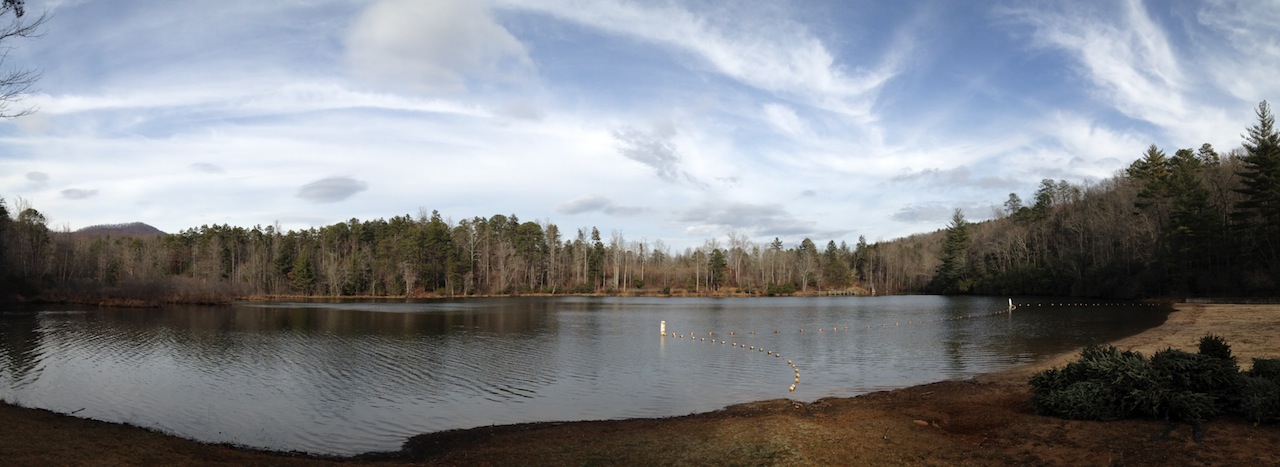
The easier trails are close to Lake Powhatan, which features a swimming beach.  Three loop trails – Deerfield Loop, Pine Tree Loop, and Explorer Loop – provide short, easy hikes. We stayed in this area and shared the trails with families, other hikers walking their dogs, and mountain bike enthusiasts.

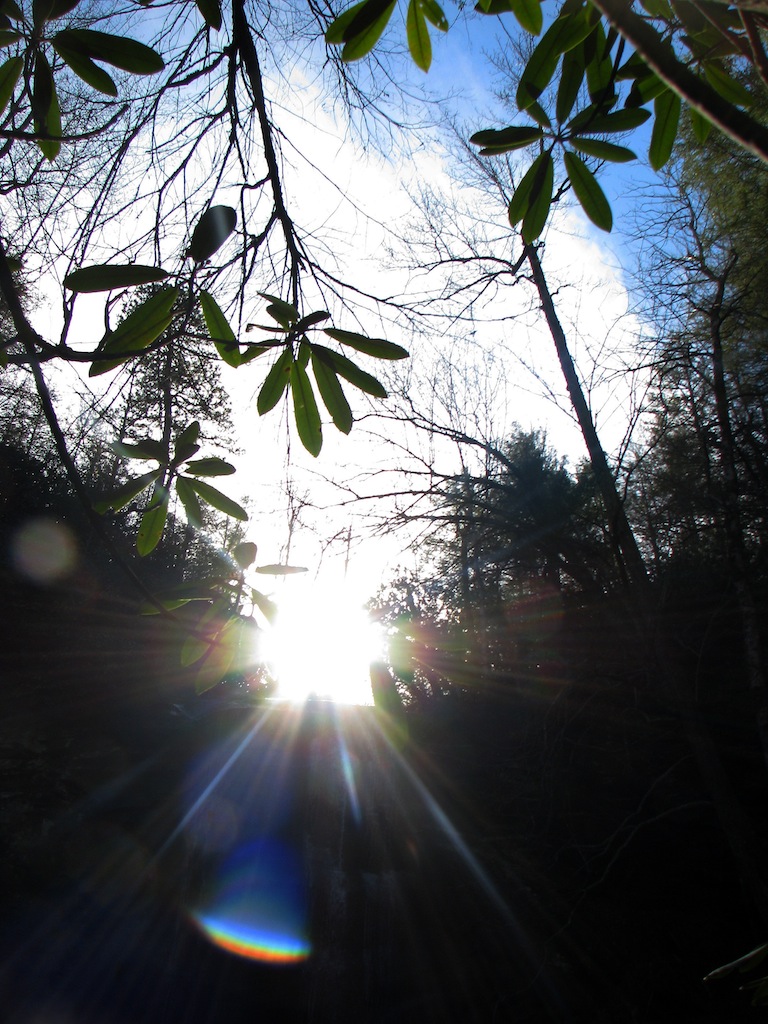
Bent Creek has a community vibe, yet it does not feel at all crowded. The trails offer plenty of birding opportunities, and run alongside the creek or skirt the lake, allowing many chances to see and hear water. My favorite moment was lying down on the ground near the beach area under some huge white pines and listening to a kingfisher making its rattling call while darting about in the marsh area nearby.

132Distance Traveled:
Approximately 3 miles

Difficulty: Easy

Birds spotted:
Belted Kingfisher, Downy Woodpecker, Fox Sparrow

Flora of note:
Hemlock, White Pine, Rhododendron, several varieties of moss

Photos by Nathaniel J. Miller

Learn more on the Hike WNC web site, from which some of this information was derived.

110

124

106

105

Changes are shifting outside the world*

9 Jan

As a student of English Literature, I learned that for a narrative work of any kind to be truly engaging, the main character has to undergo a change.

imagesIn the terminology of dramatic structure, going all the way back to Aristotle, there is a climax or turning point that marks a change – for better or the worse – in the protagonist’s affairs. Consider the Shakespeare plays you recall: In the comedies, like A Midsummer Night’s Dream, things had gone badly for the character up to this point, and now the tide will turn and things will get better. In the tragedies, like Hamlet or Othello, the opposite occurs, and events shift from good to bad at the climax.

Of course, by the time we learn about this literary device, we’ve already been exposed to it many times, from the earliest fairy tales and stories that were read to us as very young children on up through just about every form of entertainment that is a part of our particular age group’s contemporary culture. We can all name our favorites: I recall being enchanted by Alice in Wonderland, Treasure Island, Robinson Crusoe and Great Expectations.
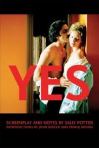
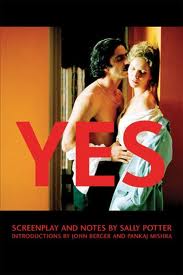
images-3As adults, whether we love fiction, theater, opera or rock-n-roll, we are most inspired by those works of art in which a transformation occurs. I will find myself quite bored by films in which the main character never “gets it” and conversely reduced to tears by those in which the change the protagonist undergoes is portrayed in a startlingly realistic way. Some random examples of favorite films are The Razor’s Edge, The Darjeeling Limited, Sally Potter’s Yes, and most recently, Jack Goes Boating. Similarly the music which affects me most profoundly – penned by artists like Joni Mitchell, Bruce Cockburn, James McMurtry, Jeff Tweedy, Steve Earle and Vic Chesnutt, just to name a few – does so through its ability to portray characters realizing something transformational.

Joseph Campbell took the Greek notion of dramatic structure a step further to define the common plot element in all stories as the hero’s journey. In any narrative, things are going along routinely, and then the main character is faced with an upheaval of some kind in which all he thought was stable has now changed, requiring him to rise to the occasion and fight a dragon of some sort or another, usually representing a personal fear. It is through this battle that transformation occurs and the hero emerges a new, better, stronger person than before. Think Wizard of Oz, Star Wars, Harry Potter, The Hobbit, Castaway, Avatar, the list goes on and on.
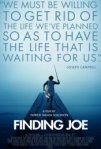
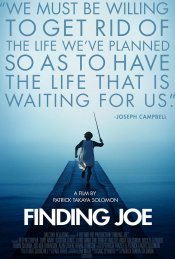
62463I recently watched a film called Finding Joe that expounds Campbell’s hero’s journey concept. It does this through interviews with a dozen or so articulate speakers who have achieved greatness, some well known and others who worked quietly behind-the-scenes to accomplish successful projects. “Follow your bliss and the universe will open doors for you where there were only walls.” This quote, which might as well be Campbell’s tagline, is one of the main ideas behind this uplifting film, from which you’ll come away feeling like an esteemed squad of cheerleaders including Deepak Chopra, Mick Fleetwood and Laird Hamilton is rooting for you personally.

But to witness another person taking on the ultimate hero’s journey leaves us empty, mystified and lost – because when the final dragon is met and fought with, the essence of what the person was here in this realm of form actually seems to leave us, nevermore to return.

In his book A New Earth, Eckhart Tolle writes, “The weakening or dissolution of form, whether through old age, illness, disability, loss, or some kind of personal tragedy, carries great potential for spiritual awakening – the dis-identification of consciousness from form. Since there is very little spiritual truth in our contemporary culture, not many people recognize this as an opportunity, and so when it happens to them or someone close to them, they think there is something dreadfully wrong, something that should not be happening.”
IMG_4458

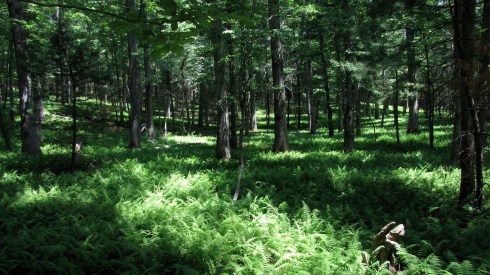
Trying to come to some terms with my mother’s death over the past five months has been like trying to wake up after being heavily sedated. One is so overwhelmed with the grieving process that it’s like being mired in physical, psychological and emotional quicksand. After many months of struggling just to get through each quagmire of a day, finally, strangely, you begin to process emotions and information like yourself again.

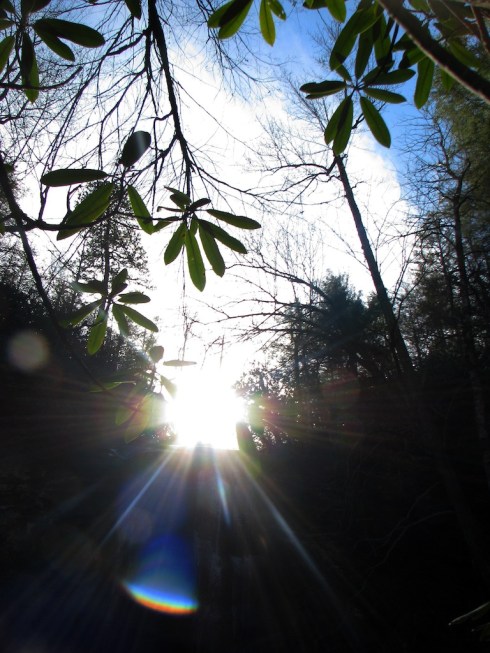
A few weeks ago, I was driving through the woods at sunset feeling as if I had been a victim of amnesia and was trying to remember something about who I had been before. It was like hearing snatches of a melody and parts of a lyric hovering just below the mind’s surface, almost reachable and yet, still distant.*
two

After chasing my ethereal thoughts for roughly a 24-hour period, a revelation of sorts began to emerge from the clouds, like mist rising from a mountain ridge. It was slowly dawning on me that just because I can no longer see and hear and feel my mom doesn’t mean she is not still on her journey.

Separate wholly from any learned connection between death and religion, the simple truth becoming less and less dim was that, given our limits of understanding, there is no reason to believe the changes do not go on. Changes are very likely still shifting outside the world as we know it.

As Tolle explains, during illness and finally in death, “what is lost on the level of form is gained on the level of essence.”

564016_495211773857314_2006782088_n

The night my mother died, I awoke from a deep sleep having heard some sound in our shared room. When I reached her, she was unconscious but still living. And then I experienced something I never could have anticipated. Her essence, what some would call her spirit, left her body and very rapidly spread out around me with a palpable aliveness. It is impossible to describe this because I didn’t see or hear it or even feel it. (I was actually quite devoid of emotion at the moment it occurred.) I simply experienced it. And when it was over, her body had become a shell, not unlike that of an insect. Her essence went on. It was tangibly not trapped in the shell, which had died.

From that point on, I knew that to honor my mother was no longer to look at or touch her body, for it was no longer her. And so I sat near the body for only a short time, and then left the room and did not watch when it was carried out of our house.

Mother had fought the ultimate dragon; she had faced her fear and gone through the consummate change. Or had she?

483176_497178846993940_872738308_n

The way we experience time in this realm of form brings a horrible finality to this type of separation from someone we love. But, we need not lose interest in the plot as we might do when watching a movie where no transformation seems to be occurring. Change can still be going on – and who are we to say that it couldn’t be? Maybe the essence that used to appear in the form of my mother finally found the doors where before there had been only walls. For all I know, Mom is now on some level of the hero’s journey that is beyond my comprehension.

My continued closeness to her essence gives me the impression that changes are indeed shifting outside this world and that she is still learning, growing and changing as she has always done.

Nature photography courtesy of Nathaniel J. Miller. Computer generated paintings by Kathleen Farago May.

*The title of this essay is an intentional misquote from the song No More I Love You’s in which the lyric actually reads, “Changes are shifting outside the words.” The Annie Lennox cover of the song written by Joseph Hughes and David Freeman provides the very personal aural backdrop against which this essay was conceived.

The lesson of the Kudzu Bug

27 Nov

Having always gravitated toward creative and imaginative interests, I recall very few scientific concepts from my school days. One of the ones that stuck is the idea that if we study a living thing, we change it by the very act of examining it.

I’ve recently relocated from Central Kentucky to Western North Carolina, with the express purpose of living in a densely forested mountainous area with habitats supporting a diversity of wildlife. On recent visits here, I’ve seen three bears, one bobcat and many, many birds, my personal favorite.

For the past month I’ve been living in a cozy Asheville condo with mountain views, a temporary house sitting gig I arranged in order to get my bearings and learn more about where I want to live permanently – and most importantly to job search. It’s very quiet here, but I’m surrounded by plant life: dozens of orchids, geraniums, African violets, Buddha’s curls, succulents and bromeliads have been left in my care.

During my first week, I was working quietly on job applications when I began to get that eerie sense that the plants and I were not alone. There were tiny nondescript sounds of life in the condo, but I couldn’t place the source at first. Then, I noticed a small dark bug crawling on the wall near some of the plants.
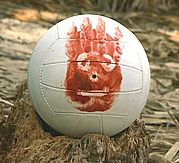
Another living, breathing creature! How lovely, I thought. He was smaller than a ladybug, but with a similar type of diligent movement across surfaces, vertical or horizontal. Perhaps out of loneliness, or maybe because I’m just crazy, I started talking to the bug, and by the end of the day, I had dubbed him Wilson. (Ever see Castaway?)
As the days passed, I was always pleased to spot a Wilson moving around the apartment in its slow methodical way, occasionally making a brief flight from one part of the room to another. And, I noticed that for every live one, there were a couple of dead. I reflected that, had there been a lot of them, it might have been freaky, but as I only would see one or two each day, they became welcome companions and it was somehow comforting to hear and see them, my new imaginary friends.

Such is the way of the human being that I began to wonder: What is Wilson? So I located a pair of biologists in my part of town, and they encouraged me to bring the bug to them to identify.

It was a beautiful sunny Saturday morning with unseasonably warm weather and gorgeous clouds hovering over the Blue Ridge Mountains when I brought a Wilson out of the condo and down to meet the biologists. Wilson rode along perched somewhat perilously on the top rim of an empty salsa container; he didn’t want to get into it and I saw no reason to force him.

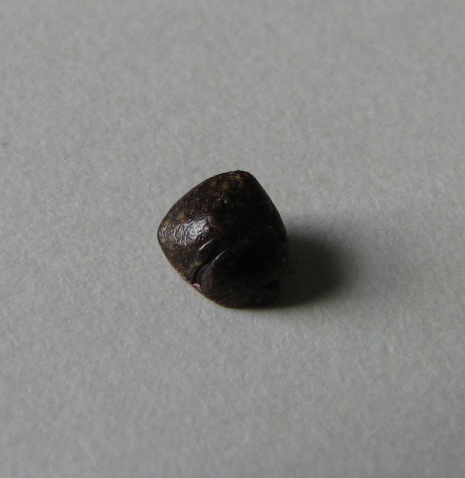
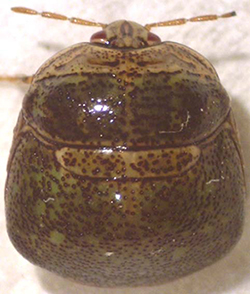
No sooner had I showed the container to the biologists, than Wilson was whisked from his roost, suddenly sealed in a tiny plastic bag and subjected to intense scrutiny under the bright hot light of a high-powered microscope. After several minutes of hushed conversation, rapid keystrokes and flipping insect field guide pages, the humans all unanimously pronounced Wilson a Kudzu Bug!

I looked at him there turned upside down and wriggling, his tiny red eyes bulging, seeking to make sense of this new, unchosen landscape. After he was unceremoniously flipped over, it was fascinating to see Megacopta cribraria in all his detailed glory and true colors, his little back an artistic mix of various browns and beiges not unlike a tortoise shell. It was cool to finally know what he was. But, for me, the more important truth was, the bug looked distressed and I couldn’t stop my mind from dialing in what I suppose was a correlative emotional image: row upon row of lifeless Ivory-billed Woodpeckers encased in glass at universities, their extinction likely contributed to in great part by those who, probably with every noble intention, chose to study them.

It was then that I remembered why I am not a scientist.

I know bugs don’t live too long or feel too much. And if you read about the Kudzu Bug, and what it’s doing to soybean crops in the South, you’ll learn that chances of it being wiped out any time soon are slim. I appreciate that we all know more about the natural world because of the tireless efforts of those who not only ask the questions, but also create and perform the experiments that help to answer them. But I guess I’ll always be an overly sympathetic armchair naturalist, tiny bugs roaming unencumbered through my various woodsy dwellings, binoculars and guidebooks serving as much to fire my imagination as to provide absolute knowledge, whilst I remain content to wonder at this amazing world without knowing firsthand exactly what things are or why they do the things they do.

I left Wilson with the biologists to add to their collections, in deference to the scientific protocol that is their norm. I even promised to bring back the dead specimens I find at the condo. But before I departed, I did request that Wilson be taken out of the plastic bag and allowed to die in his own time, which would no doubt be within a 24-hour period, based on my non-scientific observations. My new acquaintances complied, looking at me with what can only be described as amused pity. But I didn’t care if I seemed to them to be a lunatic. I was glad to be the way I am.

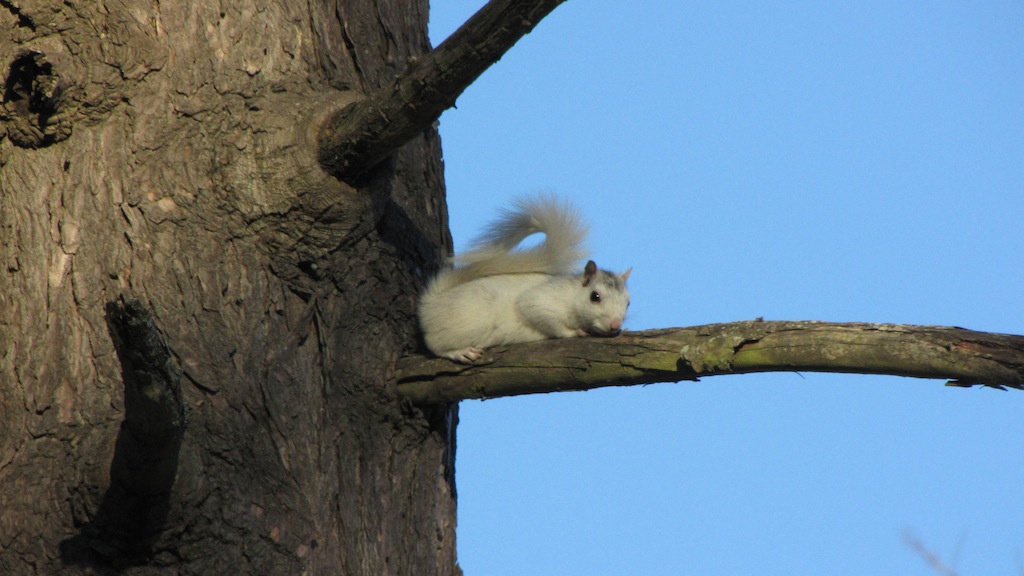
That afternoon, Nate and I drove to nearby Brevard to see the white squirrels that make that small town their home. Legend has it the first two were escapees from an overturned carnival truck back in the 40s – and the dominant gene prevailed among the squirrel population of that region. It was a delight to drive onto the campus of Brevard College and search for the skittish white anomalies among the ordinary cavalier gray rodents, like the joy of an erstwhile Easter egg hunt.

We deduced that there seemed to be roughly one conspicuous white for every three common grays. Watching the little white acrobats, we noticed things about squirrel behavior we’d never seen before. And we speculated that probably all squirrels do these things, but we were only just now noticing them because the white specimens stand out so much from their environment – and loom so large in our imaginations.

Songs of a new order

4 Oct

My mother gave me many gifts, one of the most treasured being the sensibility to appreciate the artistic marriage of music and words. Those who were able to attend her funeral heard an array of classical, traditional and contemporary compositions that were chosen and put in order by her – not recently, but years before she passed. She included on her program (which she helped to design and approved just before her death) some special lyrics from a hymn she loved, Lead, Kindly Light.

I was not ever thus, nor prayed that Thou shouldst lead me on;
I loved to choose and see my path; but now, lead Thou me on;
I loved the garish day, and spite of fears,
Pride ruled my will; Remember not past years.

Music became a part of my grieving and my mourning even during the long night spent clearing and cleaning immediately after Mother’s body had been taken from our house. For several days I could only find solace in the offerings of Bruce Cockburn, a Canadian singer songwriter I’ve always loved for his ability to write about spiritual matters from a Christian foundation moderated by a cultural perspective that does not diminish others of the world’s religions. I chose to place some of his lyrics from the song The Rose Above the Sky on the back of Mother’s program:

Something jeweled slips away
Round the next bend with a splash
Laughing at the hands I hold out
Only air within their grasp
All you can do is praise the razor
For the fineness of the slash

Some weeks ago, I was able to get out the tiny tape recorder that I kept near the piano for the times when Mom could sit there and allow some of her favorite pieces to fly from her weakened fingers. I listened one whole afternoon to the scattered recordings I’d made, remembering the joy that overwhelmed me each time I heard her play once again when I had begun to doubt she would make it back to the bench. On some of those occasions, she would play My God and I, which was sung by a friend at her service according to her plan.

My God and I go in the field together;
We walk and talk as good friends should and do;
We clasp our hands, our voices ring with laughter;
My God and I walk through the meadow’s hue.

A few weeks (maybe even a few days) before Mother passed away, she had just finished playing the piano when she asked me a painful question: “Do you think there is any way that I can possibly get better?” As I was trying to formulate my response, I thought immediately of Cindy Bullens and her CD Somewhere Between Heaven and Earth.

I don’t remember how I learned of Bullens and the 1999 album of 10 songs she recorded as a tribute to her 11-year-old daughter who died of cancer – but the work has long been an inspiration. The genre is light progressive rock, influenced by the likes of Carol King, Joni Mitchell, Heart and the Indigo Girls. Lucinda Williams and Bonnie Raitt make small contributions to a couple of the songs. But it’s the introspective lyrics in combination with the poignant melodies that give this work its ability to help anyone who is mourning. Bullens unabashedly carries the listener through the various stages of grief, with tangible examples like a trip to Paris seeming dull in comparison to memories of her daughter and the impossible hope that a scientific discovery like finding water on the moon can somehow mean young Jessie will find her way back to earth.

With Bullens and her acute loss in mind, my answer to my mother took the form of another question: “What if there was an 11-year-old child here, whom we loved, and who had cancer – and we knew she was going to die? What if she asked us this question? How could we answer her?” I then told my mom that it was time for her to practice what she preached, and to talk to God, in her own way, so that she could prepare for where she was going. I told her, in effect, to let go of the things of this world, and to begin to look forward to the next.

And now it is me who is left here trying to let go – of her. It’s hard when your mom was cool, was someone you hung out with, loved the things you loved, understood human nature in all its flawed nuances and exercised her sharp language skills and dry sense of humor up until a few hours before she took her last breath. It’s hard when you’re a relentless perfectionist constantly plagued with feelings that you could have done more, should have done better as a caregiver. It’s hard living right where it all went down, the set and setting for our last two years together. And it’s hard when a relatively non-material girl has an accumulation of 81 years of sentimentally charged high-caliber material possessions to sort through, deciding what to keep, and doling out the rest as best she can to those who will appreciate them as much as Ruthe did.

But one of the lessons I have learned from my grief is that if I can do some good now for others around me, then Mother lives on… because in some way I become her as I move forward.

And move forward I have decided to do. I have the beautiful house we shared in Winchester, Kentucky up for sale, and whether it sells in two weeks or two years, I am soon headed to the mountains of Western North Carolina to seek work and a new beginning. When my father was working at Ridgecrest Baptist Conference Center outside of Asheville the summer he was courting my mom, he took her on several memorable hikes; she even made it up the strenuous trail to Catawba Falls, which is no small feat. They loved the mountain forests there – and so do I.

Another lesson I have learned from my grief is this: When someone dies, there is a shifting and a shuffling that happens in preparation for the “new order” left behind. To use a baseball analogy (and I did go to a Reds game last month in honor of Mom), when one player is out of the game, the lineup changes. Since losing Mom, I have gotten closer to some folks I’d never really known before, including some of her close friends and members of our extended family who’ve come forward to lend support. Even among my own close friends, the shifting and shuffling is apparent; new bonds are formed as everyone rallies to take a position that will not only offer me strength, but also allow for growth that somehow just wouldn’t have been possible before.

True, like the protagonist in Gillian Welch’s traditional-sounding song Orphan Girl, “I have no mother, no father, no sister, no brother” – but I feel more whole and connected each day, nonetheless. Some lyrics from Cindy Bullens express it best:

There’s a curious freedom rising up from the dark
Some kind of strength I’ve never had
Though I’d trade it in a second just to have you back
I gotta try to make some good out of the bad

So I laugh louder
Cry harder
I take less time to make up my mind and I
Think smarter
Go slower
I know what I want and what I don’t
And I’ll be better than I’ve ever been
Better than I’ve ever been

Find Cindy Bullens “Between Heaven and Earth” on Amazon

Listen to Orphan Girl by Gillian Welch

Listen to Bruce Cockburn’s The Rose Above the Sky

Let’s roll: A tribute to Ruthe

9 Aug

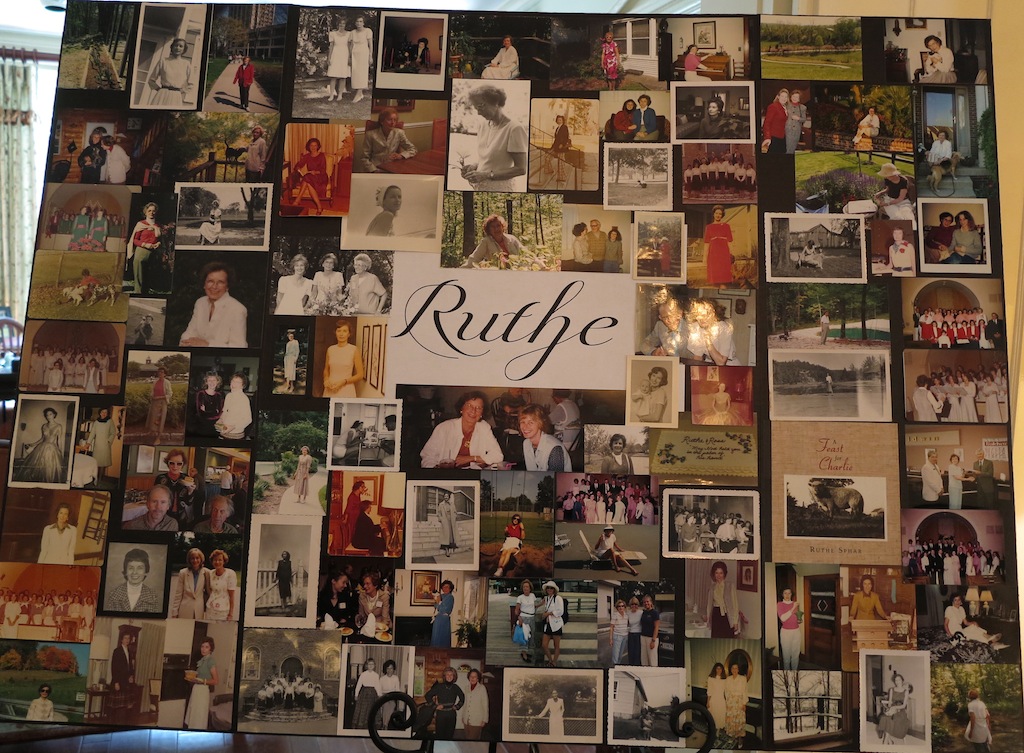
My mother did not want it said that she died peacefully. True, she was in her home, surrounded by the people and things she loved. But despite the fact that she had no fear of making the transition out of her earthly, physical form, she fought willfully for more time here, mainly to be with me, her only child.

In life, however, she was a peacemaker, helping dissenting parties to focus on common ground long enough to realize the folly of their conflict. She was a teacher, a student, a leader, a speaker, a writer, a decorator, an accountant, a musician, a nature enthusiast, an animal lover, a baseball fan, a fashion maven (she could tell you exactly what she wore at every important event of her life) – and a spirited woman who wholeheartedly supported her family and partners, while paradoxically remaining staunchly independent.

The third of four daughters born to a farming couple in Clark County in 1931, Mom gleaned her sense of fashion from her father, who wanted his girls stylishly clad, even during the Depression. If growing up with few possessions created in the sisters a penchant for the finer things, they were nonetheless well aware that spirituality trumped materialism every time.

Losing her mother at age 16 must have contributed to Ruthe’s early individualism and maturity. Georgetown College student Ross Figart was the visiting youth minister at Carlisle Baptist Church the summer of 1948 and he couldn’t help but become fascinated with the most beautiful and interesting girl in the choir. Some of her favorite memories are of staying in the original Rucker Hall at Georgetown during their courtship. They were married in 1950.

My parents had been pastoring the county seat church in Vanceburg, Kentucky, for seven years when I arrived in 1964; Mom nearly died having me and doctors cautioned, “Don’t try this again.” Not one to gravitate toward anyone else’s children, she loved her only child fiercely and spared no energy in teaching me her spiritual values, her thirst for great literature and music, and her love of all creation, especially birds and cats. My earliest memories are of her scrubbing coal dust off of me and off our black and white tomcat in Hazard, Kentucky, where she would emerge from our tiny mountain parsonage ready for church looking like a combination of Donna Reed and Jackie Onassis.

Throughout my life, I’ve been told by Kentuckians of all ages how much my parents influenced their spiritual development. During my dad’s 13 years as director of missions for Boone’s Creek Association, and his 11 years as director of missions for the Kentucky Baptist Convention, I watched my mom live her roles of “preacher’s wife” and “missionary’s wife” to their fullest – from the slate-rock hills of Eastern Kentucky to the jagged coastline of Brazil, South America. She had a gift for helping others to reach their potential, whatever the field of interest.

Growing up in the idyllic setting of Boone’s Creek Camp, I tagged along as Mom led campers on nature hikes and bird walks through the wooded hillsides. I watched her transform the tiny timid Corinth Church choir into a forceful ensemble that could deliver a cantata to rival those she’d been a part of during music weeks at Ridgecrest Conference Center in North Carolina. Sometimes we’d arrive at a church where Dad was slated to interim preach, and when no one came forth to play the piano, Mom would matter-of-factly assume the bench, unrehearsed and unruffled.

Any time I heard her speak publically – from small circle gatherings to state WMU conventions – she always made herself vulnerable to her audience by sharing a moving anecdote or reciting a powerful verse that would inevitably bring my highly emotional “Mom Bit” to tears. But this caused others to respond on a far deeper level than would have been possible if she had refrained from crying.

After my dad died in 1992, Mom finally had her own college experience when she majored in English at the University of Kentucky in her mid 60s. She won awards for her writing, as her daughter had done decades earlier – not surprising since my communications talents were obviously inherited from her. She won an entire piano once for writing in 100 words, “Why I love my Baldwin.” Never forgetting her Georgetown connection, she supported the school whenever possible as a way of honoring my dad.

When Mom fell in love with Bill Sphar in 1999, she cycled back to the farm life she had left behind in childhood. After five years of traveling and enjoying Spring Hill together, he became ill and she managed his daily care for two years. In the stressful throes of caregiving, she accidently ran over her own dear cat, Louisa, and a part of her soul never recovered from this trauma. Her strength and determination made Bill’s final transition a comfortable one. When she left the farm, she took with her his faithful hound, Bebe, and gave her a life of luxury until her death this past January.

When Mom could no longer continue teaching her beloved adult Sunday School class at FBC, she turned her creative energies to writing a memoir of her bucolic childhood, “A Feast for Charlie,” which was published earlier this year. About the same time, God sent Paula Underwood Rhodus – who was born and raised in Vanceburg a decade after we left – to help me care for my mother. Every day Paula came, Ruthe taught her something new – about birds, about flowers, about language, about music, and about life. Paula gave Mom a new connection to one of her favorite communities and provided an opportunity for her to continue to teach at home.

Ruthe never lost her sharp mind, offbeat sense of humor or “the-show-must-go-on” poise. Whenever she became bored with crossword puzzles and Neiman Marcus catalogs, Mom would gaze resolutely at me or Paula and say, “Let’s roll.” We’d get her into the small transport chair and she would pedal along as we rolled around the house–first to the screened-in back porch to see her squirrels, rabbits, finches, woodpeckers, hummingbirds, cardinals, wrens and blue jays; her roses, crape myrtles, hydrangeas, herbs and tomatoes on the vine. Next she’d visit favorite books in the library, gleefully wake the cats from their naps, watch fervently from the front door as we went to retrieve her abundant mail, and sometimes she would play hymns on her piano, as she always had, by ear.

On the night of July 23, Mom watched with satisfaction as the Reds trampled the Astros. As the game ended and we got ready to go to sleep, she looked at me on the couch beside her bed and said earnestly, “I love you too much.” I responded, “And I you.” After that, she closed those piercing eyes that remained ever clear and bright, and I imagine she must have said to her Lord something along the lines of, “Let’s roll.”

~ff

The Georgetown College flag was lowered to half-staff for two days after Ruthe’s passing to honor her inimitable spirit. Her ashes will be scattered in Vanceburg’s Kinniconick Creek. We will all miss her grace, humor, insight and unconditional love.

Scrabble in the dark with Annie

2 Jun

Last September, I started a new job. I didn’t expect to get it; I didn’t even apply. It’s not 9-5; I’m on the clock for all three shifts, every day, 24/7. It’s hard, but it’s rewarding. And, thankfully, there are a lot of perks.

I’m caring for my mom, at home, by myself. She has congestive heart failure. Without going into medical details, what I am doing on the physical level is kind of like the first year with a newborn – meals every couple of hours, up several times during the night – except that in this case, what everyone is “looking forward to” is not growing up, but transitioning out of this life.

“So much of our anguish is created when we are in resistance. So much relief, release, and change are possible when we accept, simply accept.”
~ Melody Beattie

Every caregiving situation is different, with a myriad of complex nuances and ups and downs specific to the patient and the family; in our case, I am the only child, so all of the responsibility to meet my mom’s needs and communicate them to others rests with me. “The family caregiver is the backbone of our broken health-care system,” writes Gail Sheehy in her book “Passages in Caregiving.” We do it out of love, we do it because our parents did it for us, but make no mistake, it is work and it is a job.

Social acquaintances see me these days and say, “Wow, you look so tired. Don’t you have Hospice? And didn’t you hire someone to help you?” As if these make everything peachy keen.

Having Hospice is great; it allows me to keep Mom at home where she wants to be and make quick decisions about managing her care. A nurse visits once a week; someone can come if we have a crisis; most of Mom’s meds and other equipment like oxygen are provided. But Hospice does not physically help someone like me take care of an elderly person at home on a day-to-day basis. If I want help – with cleaning, with cooking, with everything! – that part is up to me to figure out.

Mom and I did hire a wonderful caregiving assistant a few months ago, and that does allow me to take some vital worry-free breaks. (Without the respite I have gotten thanks to Paula, I wouldn’t even be able to write this blog entry!) But even families who are well off are hard put to have people working round-the-clock in their homes; we have our caregiver between 12 and 24 hours a week, which is only a fraction of the time I’m on duty. So ultimately, I still have the three-shift job that has been compared to that of a combat soldier in terms of the amount of cortisol produced by the adrenal gland to cope with the stress of a typical day.

I do get to take naps whenever I can squeeze them in. They are usually cut much shorter than I would want – when I hear my mom stirring on the baby monitor – but they are a lifesaver. On Pauladays, I may get to take a walk before grocery shopping. About once a month, I try to get away for a weekend, which requires coordinating several sitters; and all such plans are subject to change if Mom is feeling especially bad. Sometimes by the time I get a break, I’m way too tired to enjoy a long hike or a concert; I just need rest.

HYDRANGEAS, GROSBEAKS AND BASEBALL

“There are only two ways to live your life. One is as though nothing is a miracle. The other is as though everything is.” ~ Albert Einstein

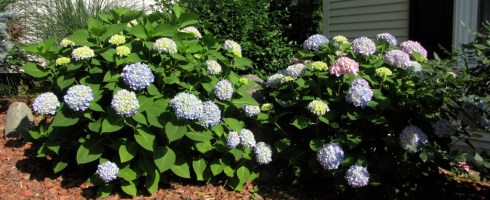
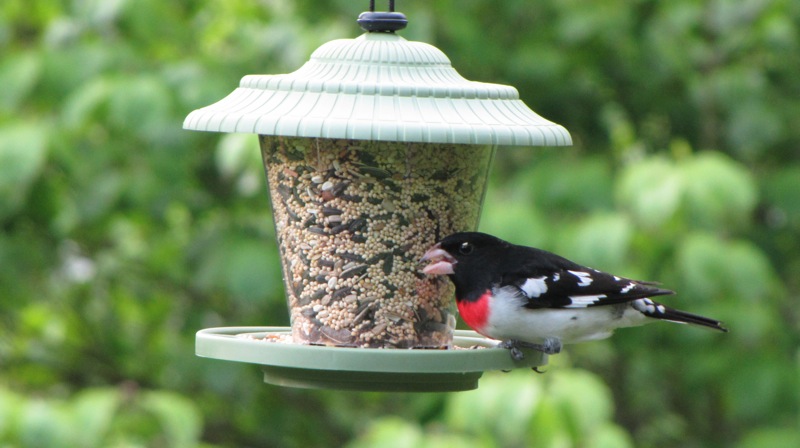
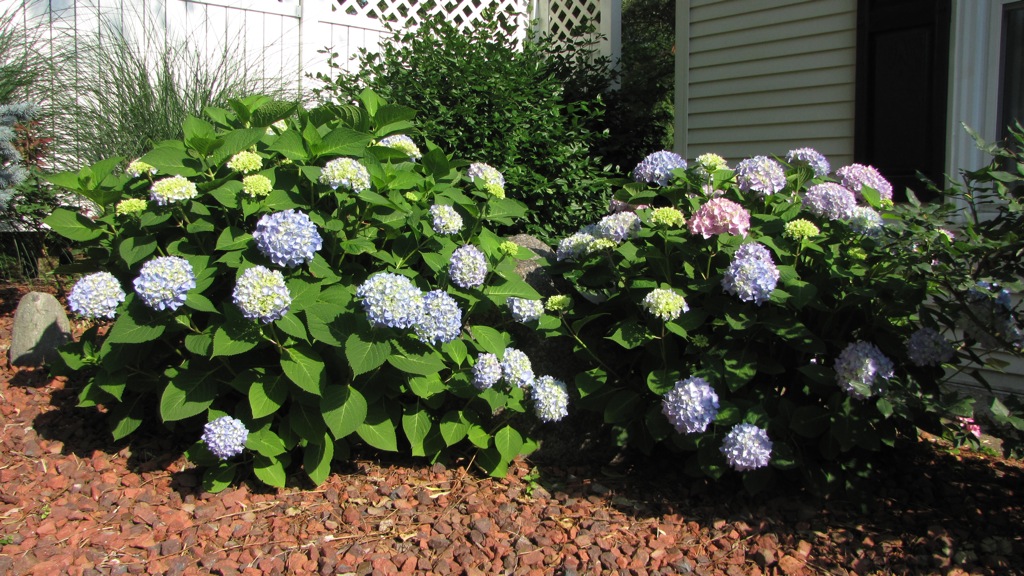
Before taking on this role, I was an “adventurer.” I lived to travel and have new experiences in exotic natural settings. Now, I am learning to see the adventures, even the miracles, unfolding before me right where I am. Like the amazing hydrangeas in our garden this year. I have given away at least a dozen arrangements of them, and every time I cut one, three more grow back in its place. Or the amazing two-week visitation to our yard of a group of migrating Rose-breasted Grosbeaks earlier this spring. What a gift it was for my mother to be able to sit on our screened-in back porch and enjoy these special birds. These are glorious adventures for me!

In the few years leading up to this acute stage of Mom’s illness, I was always subjected when visiting her to the incessant Cincinnati Red’s baseball games blaring at me over her radio. I resisted learning about the game and tolerated the noise without paying much attention to Mom’s commentary about her favorite sport. I took her to a game once a few years back, and I admit it was slightly more interesting to see the action live. When Mom got really sick last fall, I decided she needed to be able to see all the Reds games this year on television. We bought a package of some 200 cable channels just to get the ONE: Fox Sports Ohio. And now, guess who’s watching and cheering on the team every night right along with Ruthe, even though she can’t stay up for a whole game these days. I like to think it’s no accident they are ranked first in their division this year.

A STEP BEYOND WORDS
Back about November, a friend turned me on to Words With Friends, an online version of Scrabble I can play on my iPhone with Facebook friends. This became a wonderful stress reliever, especially while sitting up with mom during difficulties in the night. I soon found myself playing lots of games with Annie, a friend from high school that I never got to know very well. We made a good match, enjoying some very close games. When we started chatting, I learned that she, too, was caregiving for her mother, who had the same disease as mine. Like me, Annie found the game a great diversion. We had lunch, caught up and shared our caregiver woes, some similar and some very different. Every night, when things would finally settle down at home, I’d look forward to making my plays in my four or so games with Annie, either in the dark of my mom’s room as I watched over her, or in my own bed just before falling asleep.

A few weeks ago, I was super busy with watering the gardens, friends visiting, getting out for a rare hike in the gorge… and in the back of my mind I kept thinking that I hadn’t seen Annie make a play for several days. When things calmed down, I checked her Facebook page and found that what I feared was true. Annie’s mom had died.

Immediately I began to cry really hard… for Annie, and for me, too. It was one of those rare times, during the hectic day-to-day business of this caregiving job, that I realized fully what is coming, and how completely unready for it I will always be.

I fled to the garden, unable to really see through the tears, and cut all my favorite hydrangeas for Annie; this was the most important step I could take at that moment. I called her later and heard some of her story, feeling new pain because I knew that many of the symptoms her mom had to endure, my mom has also. The next day, I left the flowers on her porch. She wrote and told me that the hardest time is waking up in the morning, and so she has the hydrangeas by her bed so she will see them first thing, and remember that life goes on. A few days later, when I checked my Scrabble games, there was Annie, constant as the northern star.

“Your entire life journey ultimately consists of the step you are taking at this moment. There is always only this one step, and so you give it your fullest attention. This doesn’t mean you don’t know where you are going; it just means this step is primary, the destination secondary. And what you encounter at your destination once you get there depends on the quality of this one step.”
~ Eckhart Tolle